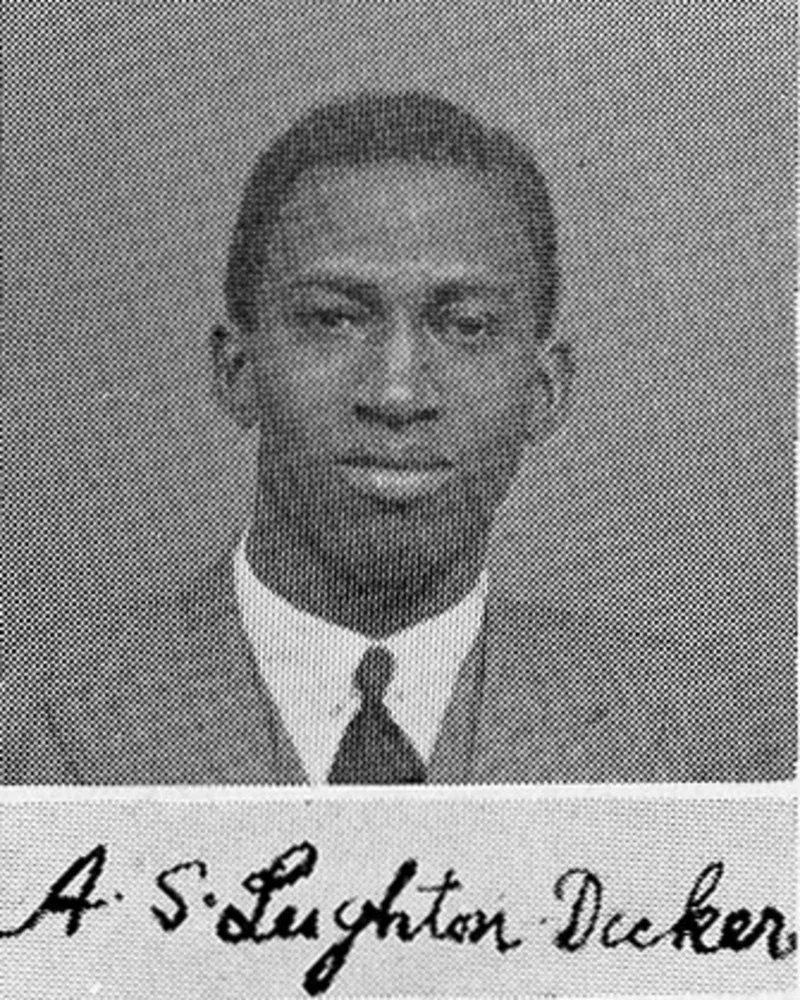
If you know me well, you may know the admiration I have of my Grandfather, Thomas Decker, and his dedication throughout his life, of not only telling Sierra Leone stories, but his defense of it, particularly our language, in a colonial and post-colonial era where our national and local identities were placed on low points and regarded as inferior. Despite the challenges, he persisted and wrote poems and plays from the 1930s until the 1960s in our language
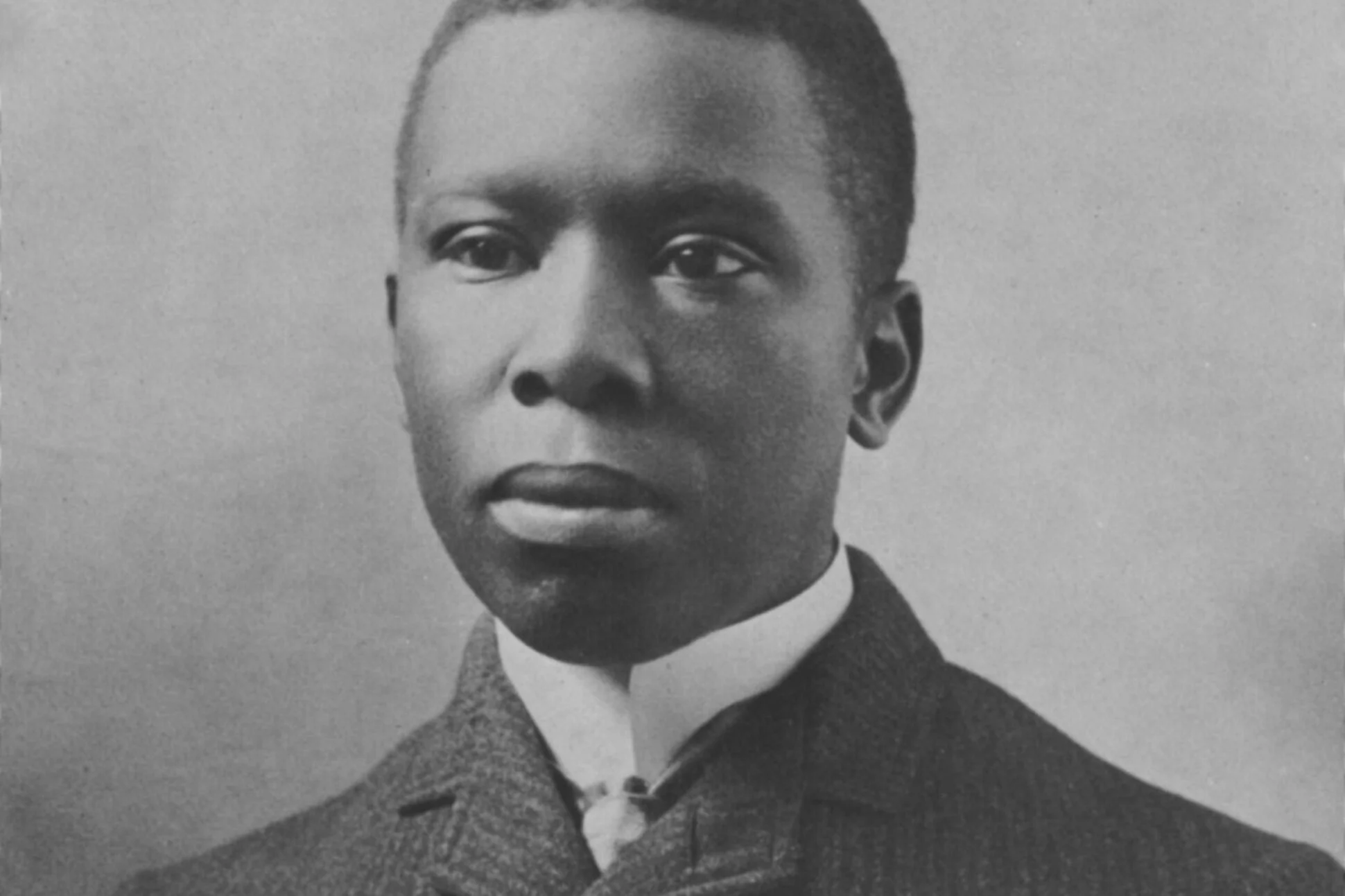
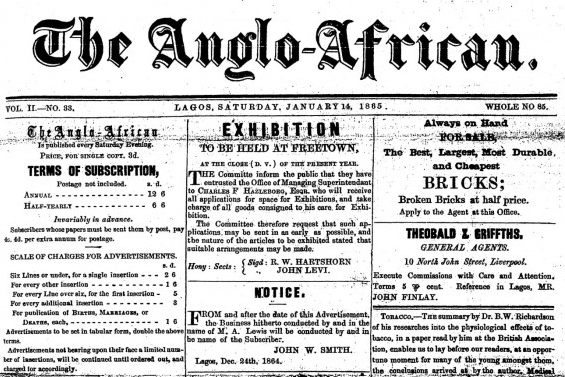
Noting from numerous coverage in the local Freetown local newspapers, in the late 1800s and early 1900s, this small West African country knew and loved the work of the African American Poet, Paul Laurence Dunbar. Dunbar was likely the most acclaimed African American Poet since his predecessors almost a century before him.
Fewer African Poets, in Africa, could be found during the 19th century, who used the English language and principles of western poetics to tell their story as good as the English. But to assume there was none, or those that could be found were mediocre at best, would be to underestimate the creative genius of the African.
To be a master of one’s own native language is one thing; to be a master of another’s is extraordinary. It's hard these days to find an African, anywhere in the West, who isn’t multilingual. If we are to give much credit to the colonizer for the dominance of his language, surely we should acknowledge the genius in those who aren't native to it, but still manage to master it, and use it to their own benefit.
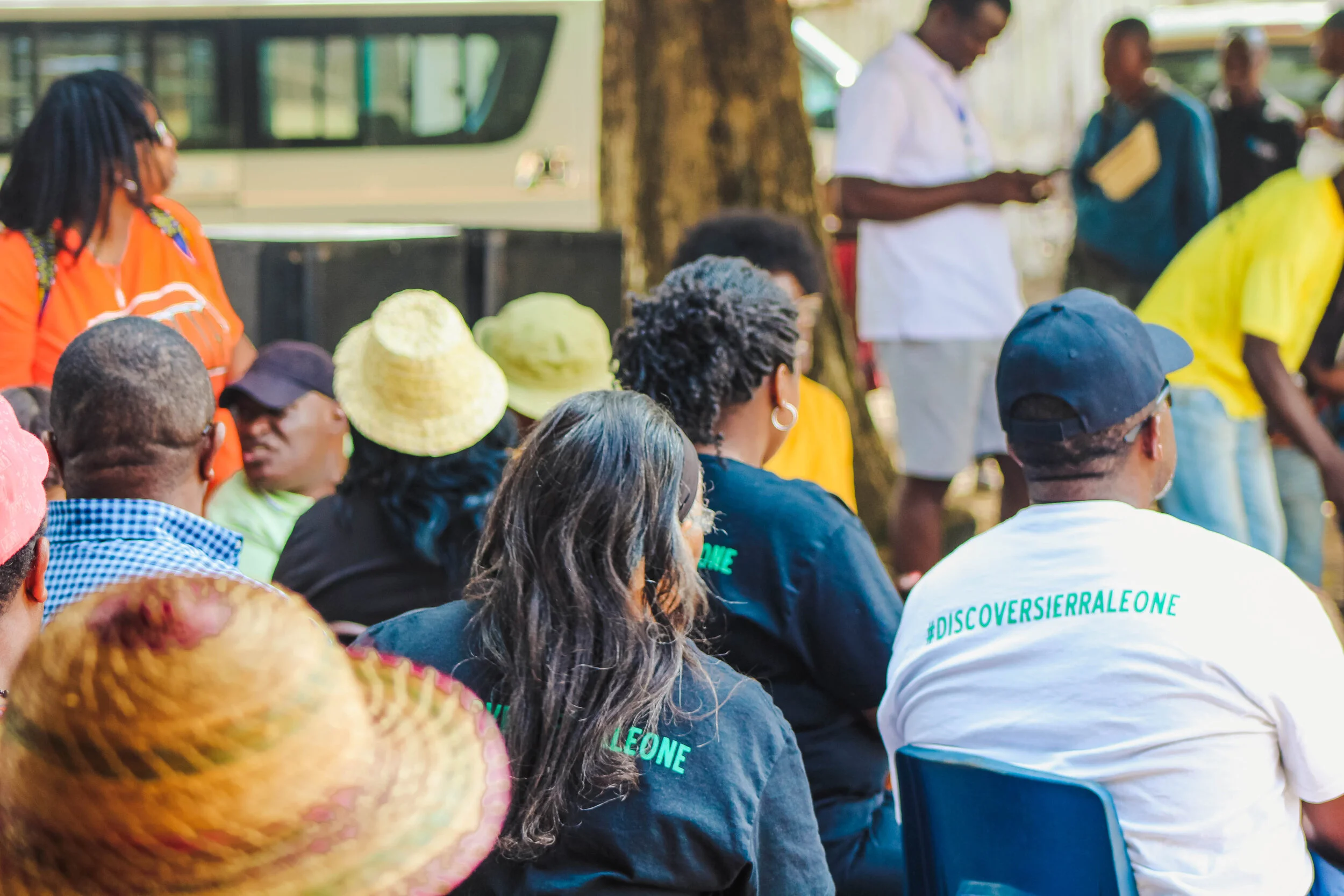
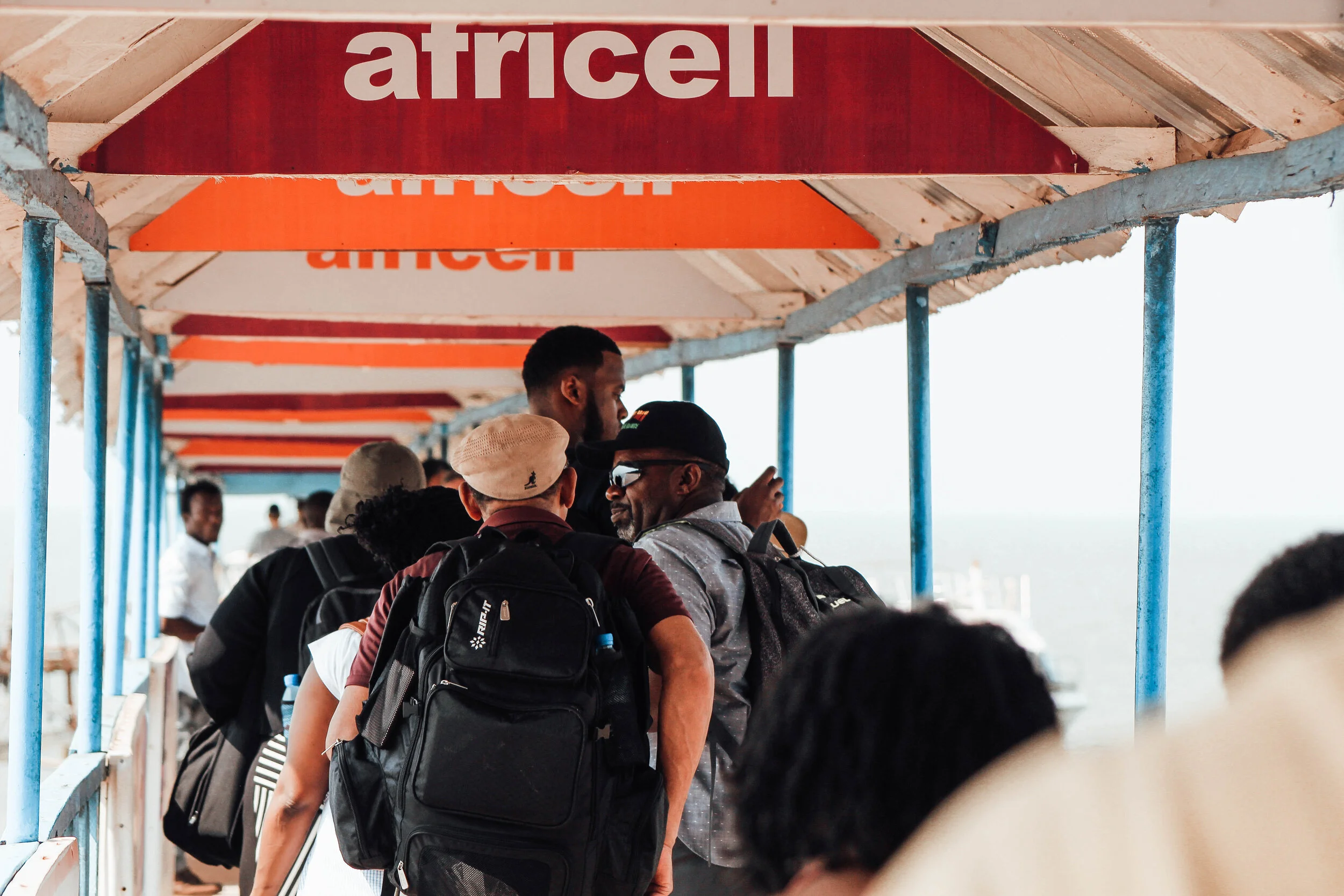
The Minister of Tourism gave a resounding speech in which she welcomed all and presented each as an Ambassador to not only be provided with a gateway to invest in Sierra Leone but to carry our message and brand of peace and an open door to others who may decide to return to Sierra Leone in the future.
It was incredible to see the perseverance in the African Americans, some as young as 20s, others in their 70 making the climb all the way to the top of the 2+ mile long hill. At the top where remains of the old town that was built and designed to resist slavery and stop slavers from capturing the inhabitants during the transatlantic trade.
I walked into the British Library sometime in August 2010 and picked up a book I’d looked up online, seeing that it was in the library collection… “My Dear Taiwo: How an Old Boy Urged His Son to Pursue” (1948) by Joseph Leighton Decker (My Great-Grandfather/Paternal) and edited by Arthur Decker (his son, my Grandfather’s elder brother).
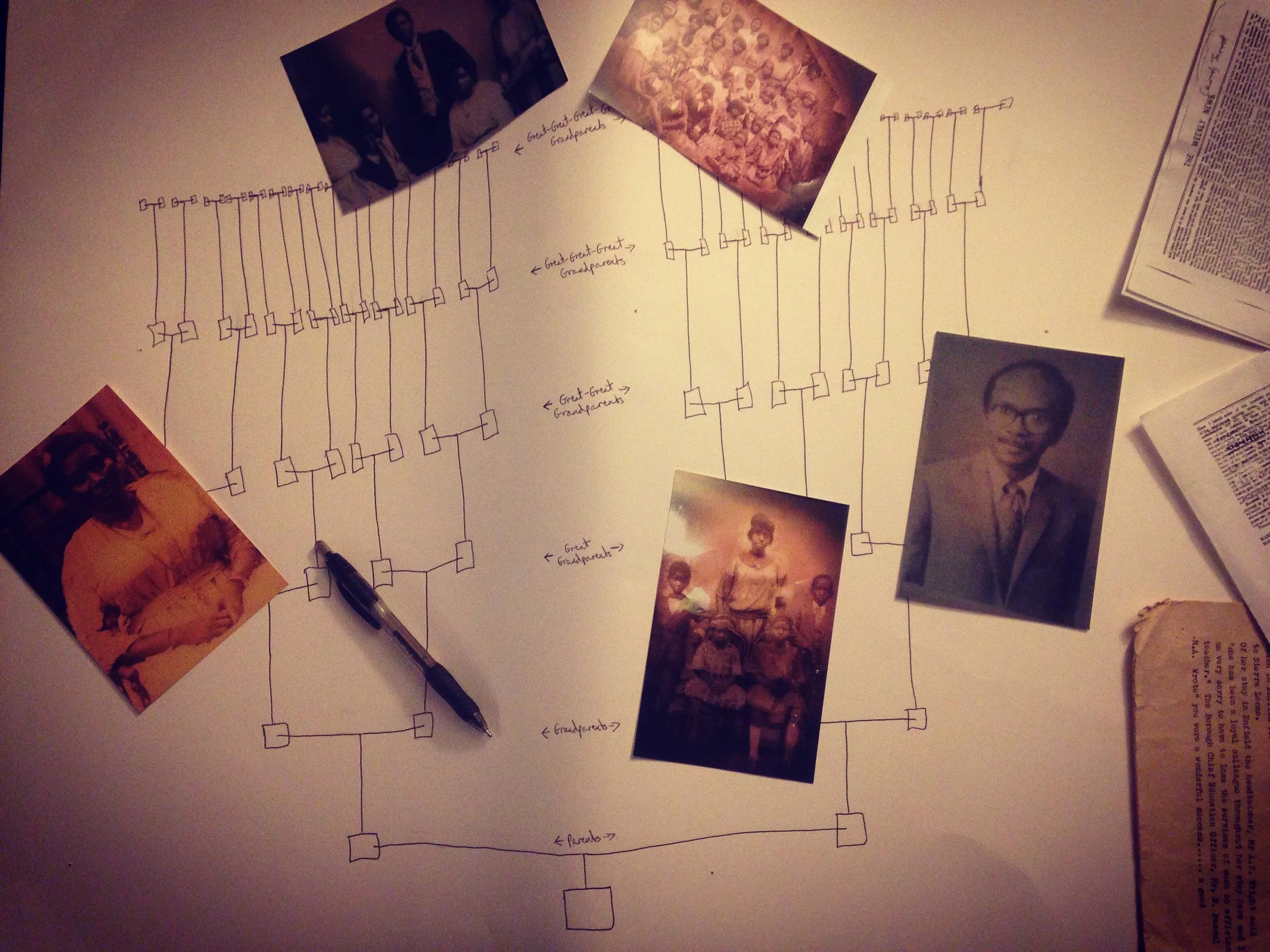
By the time undergrads are finishing up college or starting families, the thought starts settling in to look up the family history. Chances are, the thought begins to get sidetracked as you start to realize that there is so much about the family tree that you don’t know. You really don’t have to be a genealogist or hire one to get started.
Its difficult to be nostalgic about Sierra Leone without appreciating history. Almost every aspect of our culture carries some historical element with it. The very dynamics of which the country was formed in the first place was historic, let alone the events and milestones of its people decades after. It is no question that Sierra Leone for whatever reason has definitely been positioned well into the threads of modern history interwoven into so many parts of not just Sierra Leonean, but world history. The more I missed home, the more I read about it.
"Perhaps what stands out most is how few of these creative people had good old-fashioned day jobs. Writer Franz Kafka was the only one in this group who had a profession unrelated to his creative field: he was, famously and miserably, a bureaucrat at the Worker’s Accident Insurance Institute in the Kingdom of Bohemia (not as cool as it sounds). Philosopher Immanuel Kant lectured at a university in the mornings, American writer Kurt Vonnegut taught at a school, composer Wolfgang Mozart gave music lessons here and there, and Sigmund Freud, founder of psychoanalysis, treated patients. But the rest spent virtually all their waking hours--in some cases, hours most people spend sleeping--devoted to their creative and intellectual work."
Source: http://www.fastcodesign.com/3032874/infographic-of-the-day/the-daily-routines-of-26-of-historys-most-creative-minds?utm_source=facebook
People who are true to their purpose and are really successful didn’t always get there because they had the financial means to do so or were just lucky enough to have been brought up in a confidence boosting environment. There are actually a few common habits that have helped them get to where they are. The best part is that these are habits that anyone can attain!
Source: http://www.mindbodygreen.com/0-14210/10-habits-of-people-who-follow-their-dreams.html
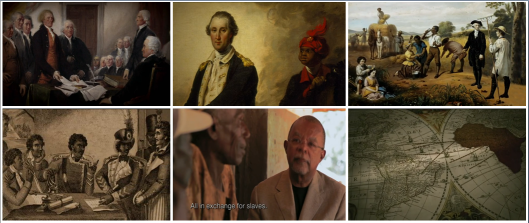
On Tuesday, after much anticipation, the first of a six-part series, written and presented by Henry Louis Gates Jr., aired on PBS nationwide. “The African Americans: Many Rivers to Cross” features a fascinating documentary about the history of African Americans, from the roots of slavery to-date. Gates as always, gives the narrative an edge unlike other documentaries before, and applies a much broader perspective, providing details that may be largely unknown to the mainstream audience. Gates connects the dots, from the moment Africans became slaves, to the experience and transformation those slaves endured in their journey to eventually become African Americans. The documentary bridges together ancestors and descendants, Africa and America, Sierra Leone and South Carolina, Haiti and Virginia, almost removing the ocean that divides both sides of the Atlantic.