Basket of Ajo
Basket of Ajo
Basket of “Ajo” (Founder)
Uncle alaba
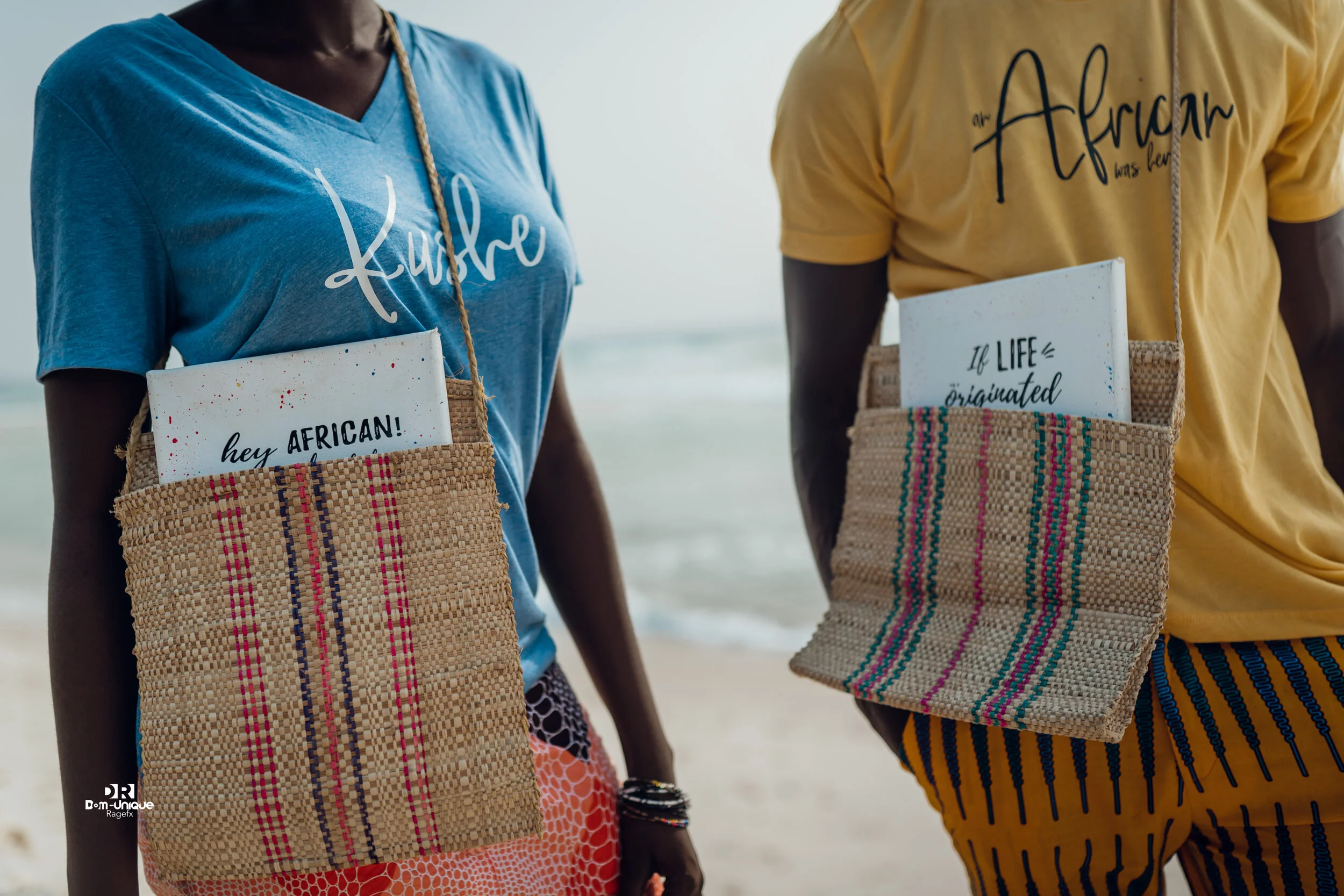
Basket of Ajo is inspired partly by my Dad’s younger brother, Alaba. Growing up, all our home furniture and decor were crafted by Uncle Alaba, a skilled woodworker. Art has a long history in the family. Grandpa Tommy was a Sculptor and his father, Grandpa Joseph was a Draughtsman in the Colonial Surveyor department in Southern Nigeria. Each ancestor is an inspiration to continue a family heritage of creating artwork and tools that preserve history and identity.
Basket of ajo
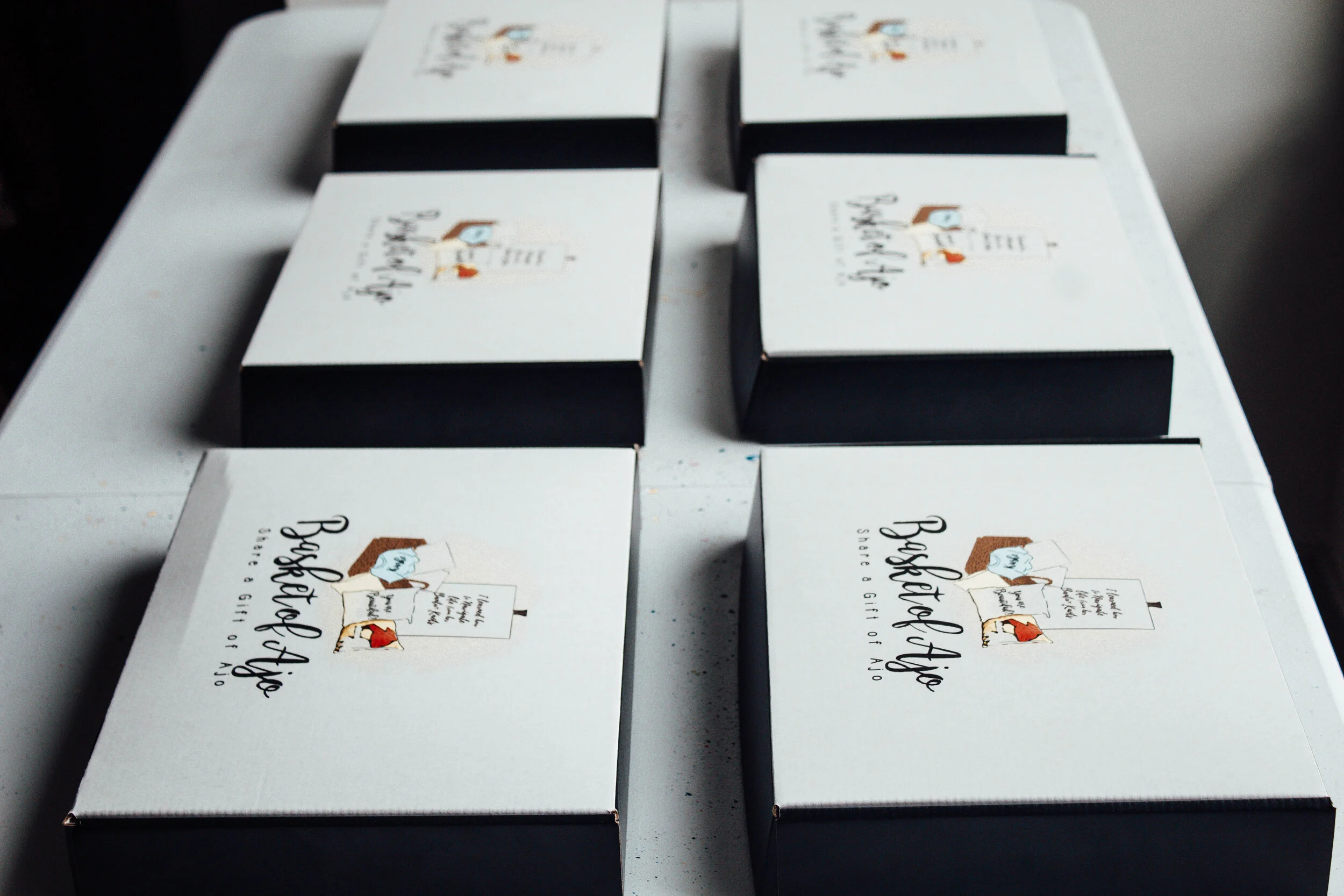
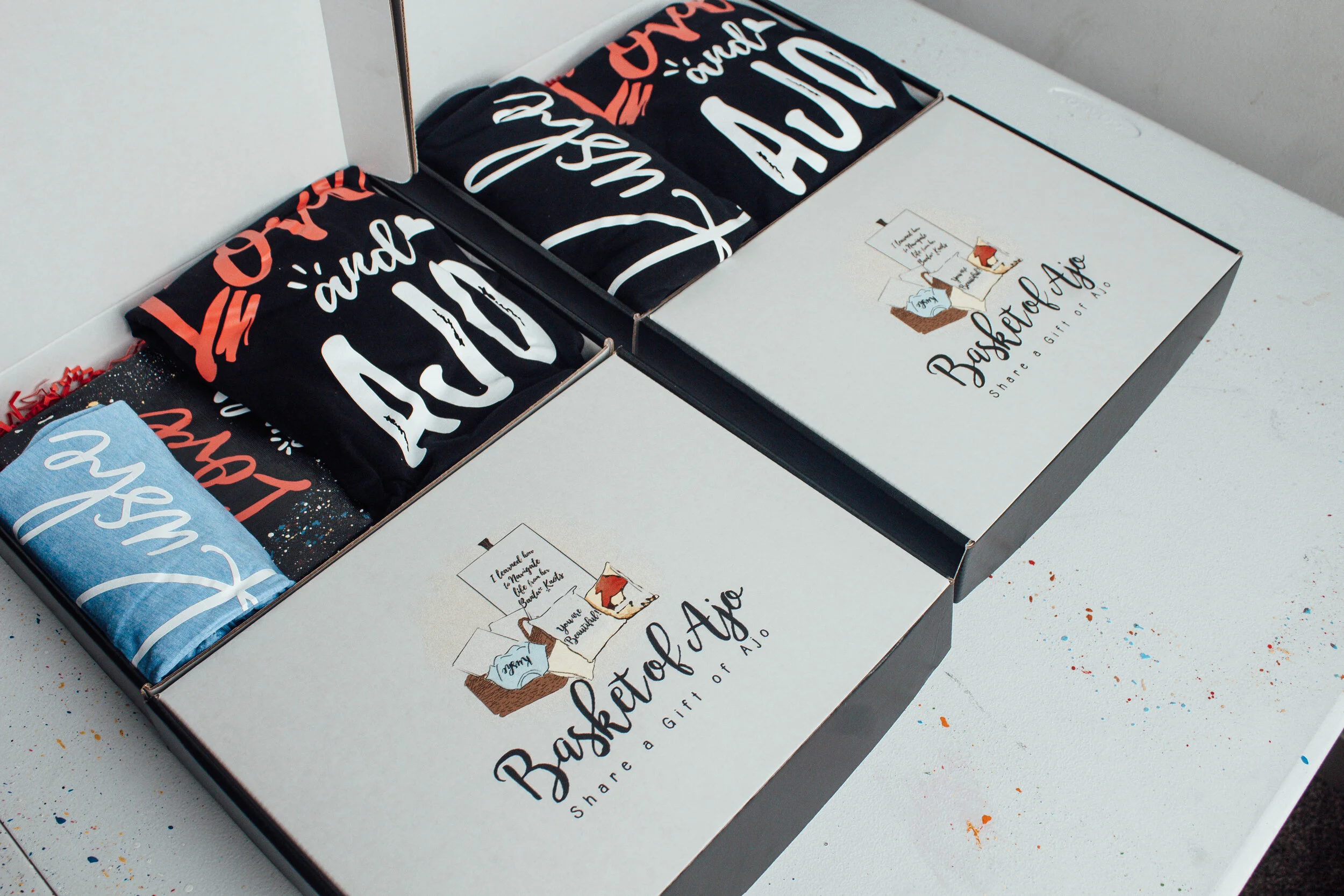
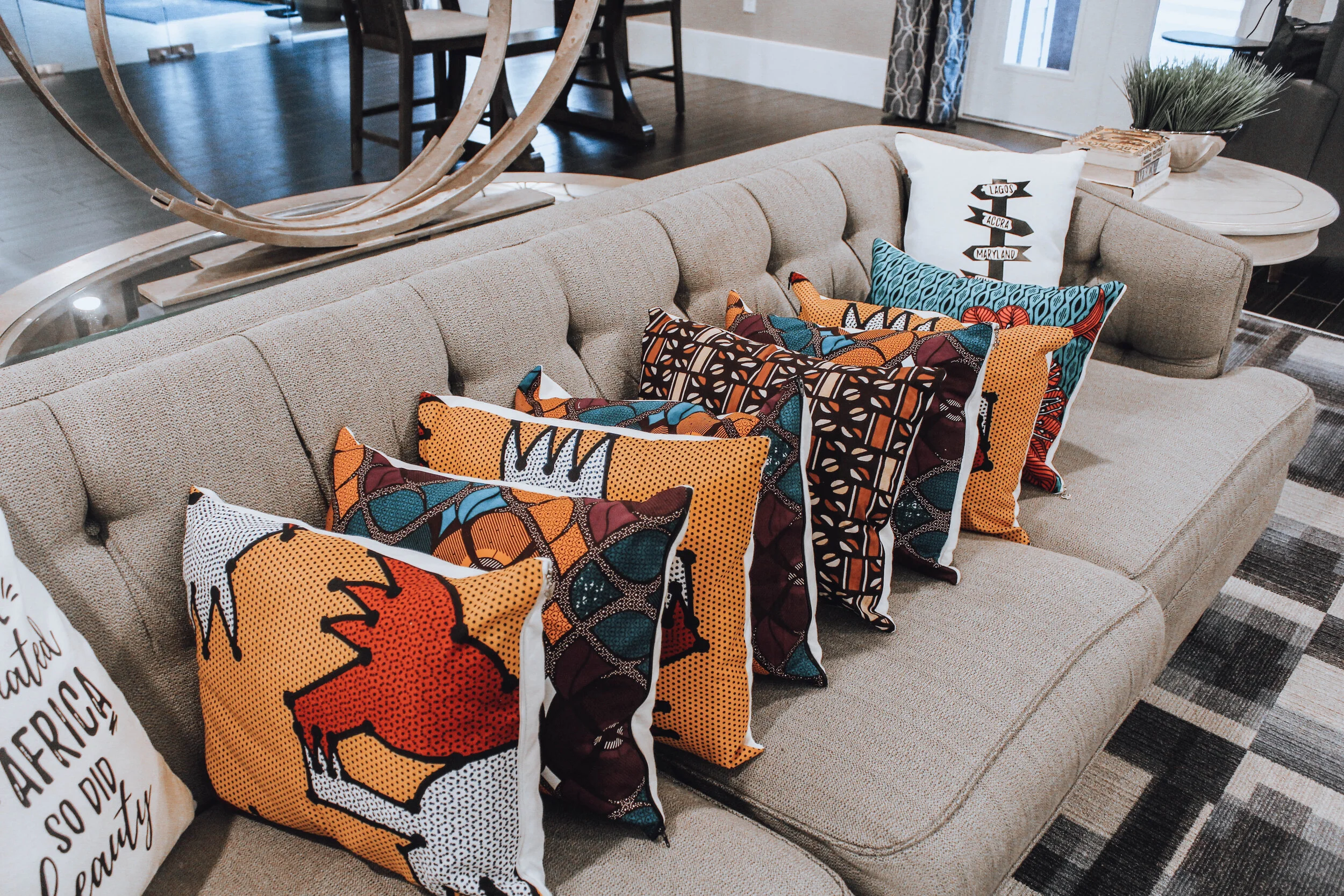
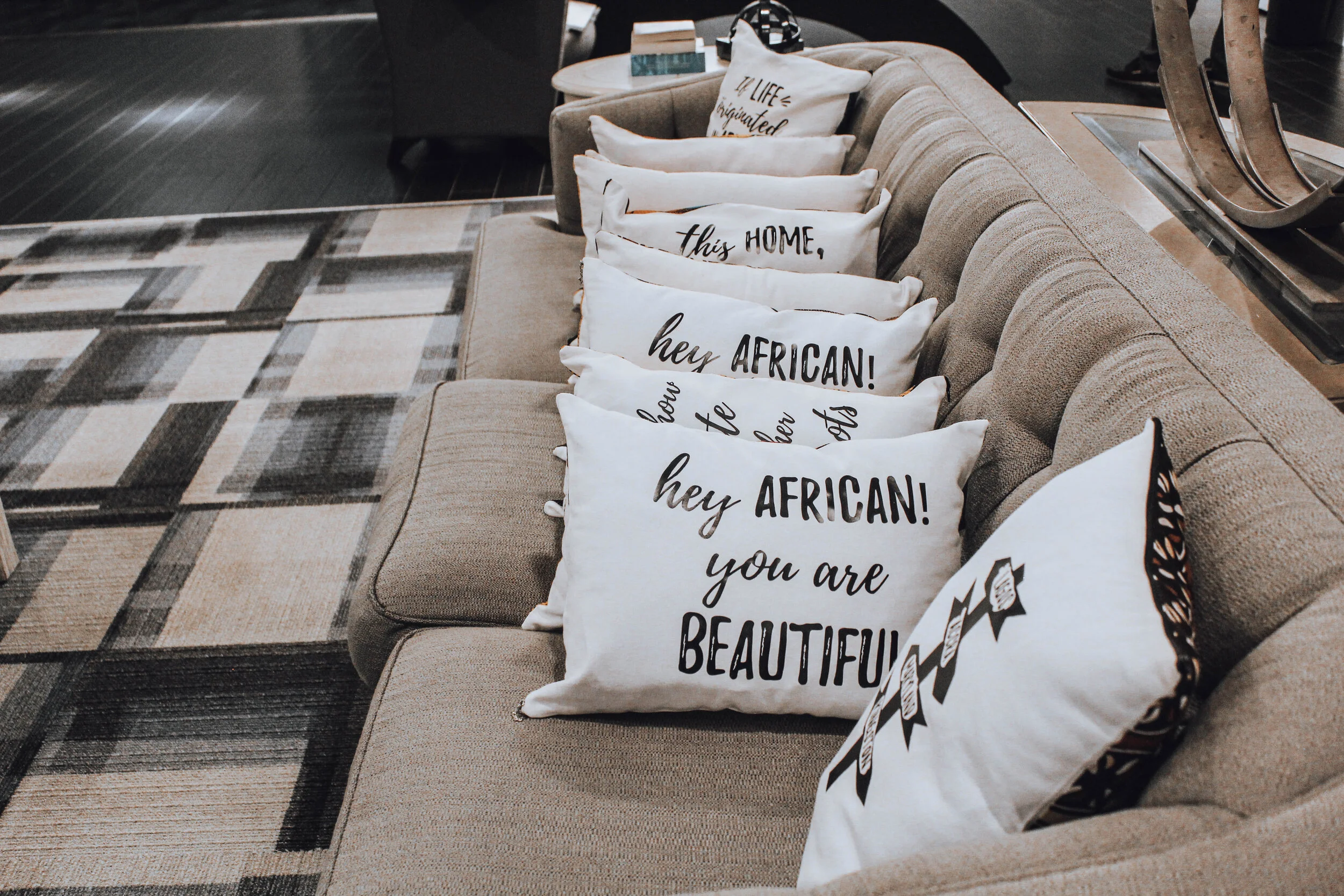
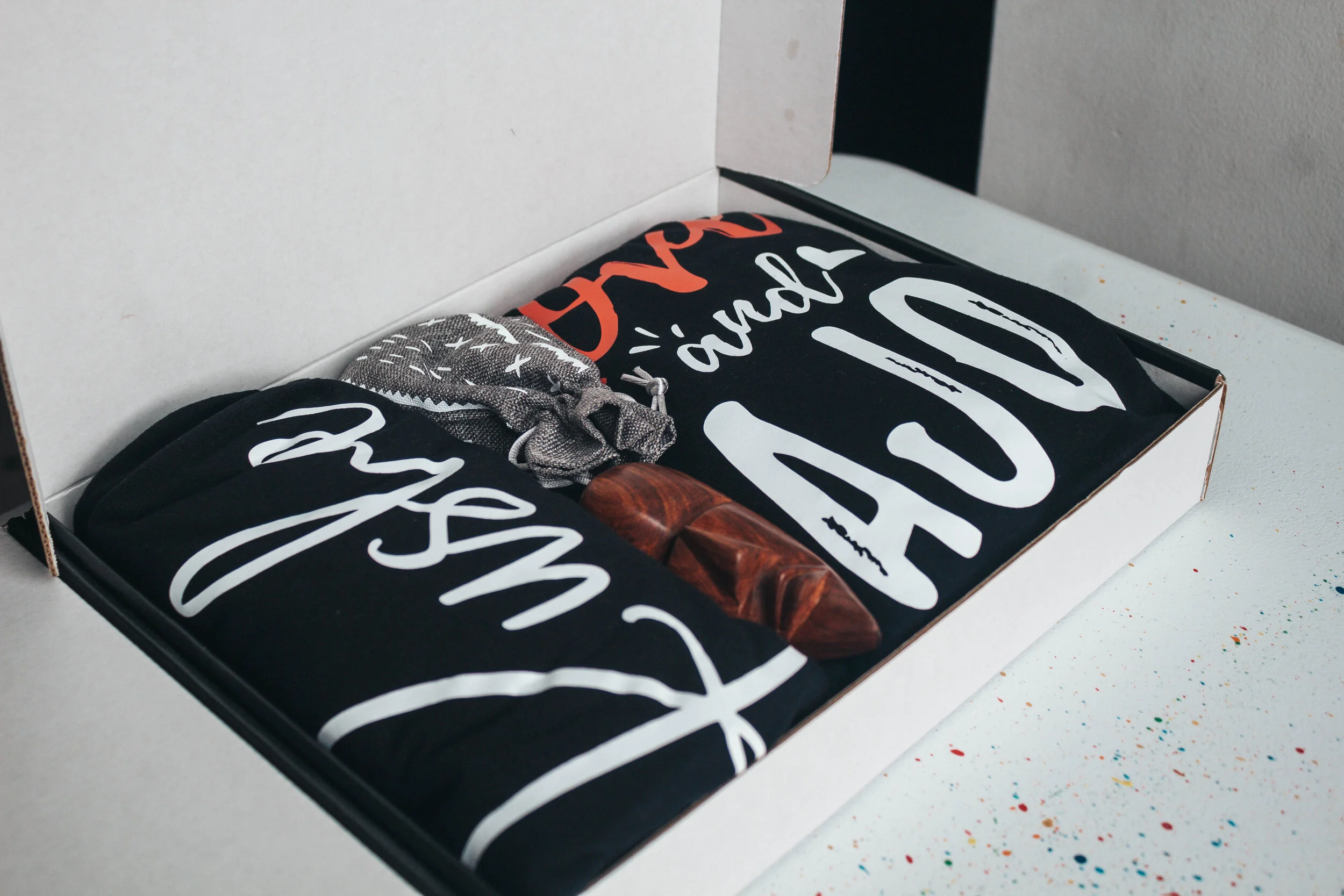
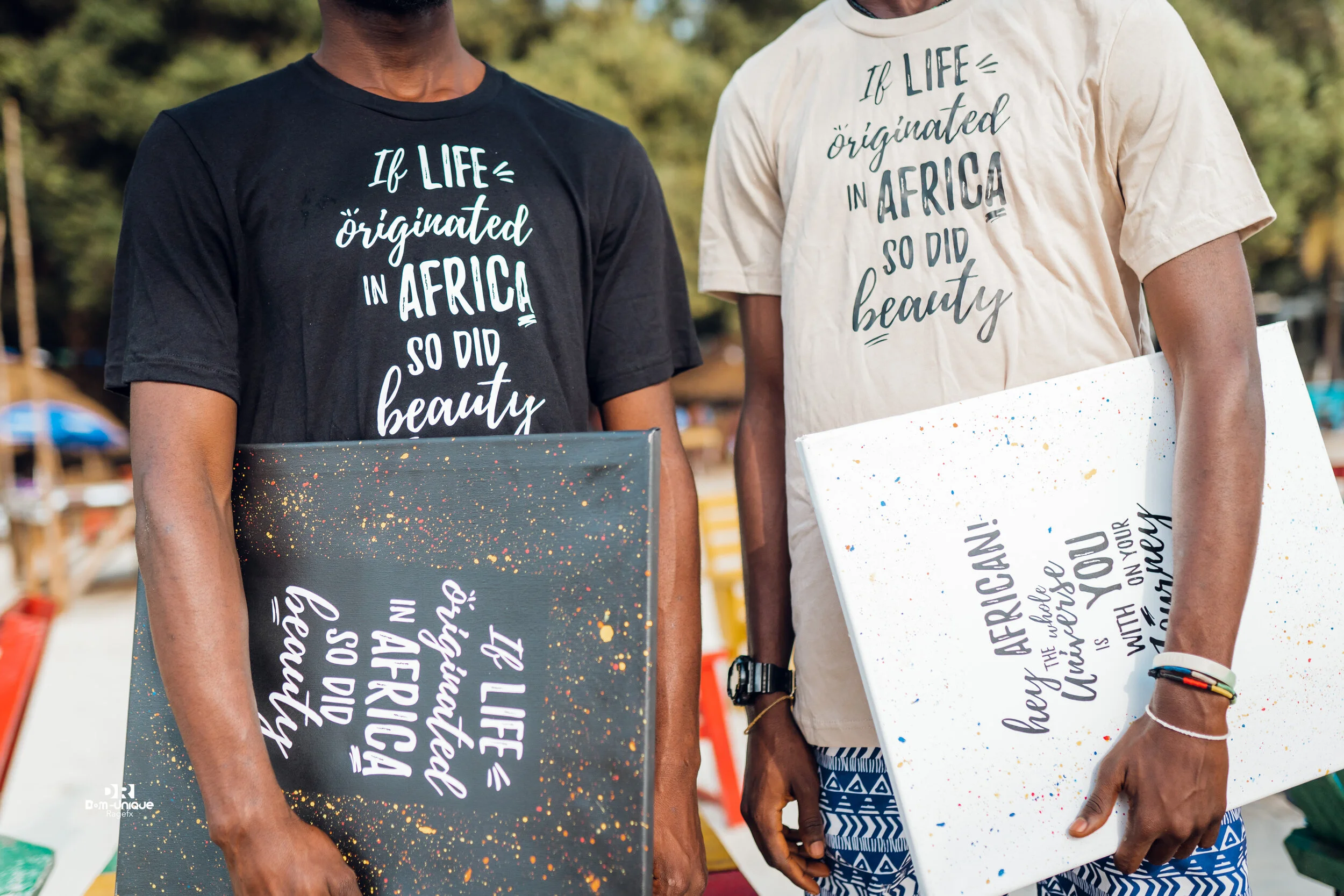
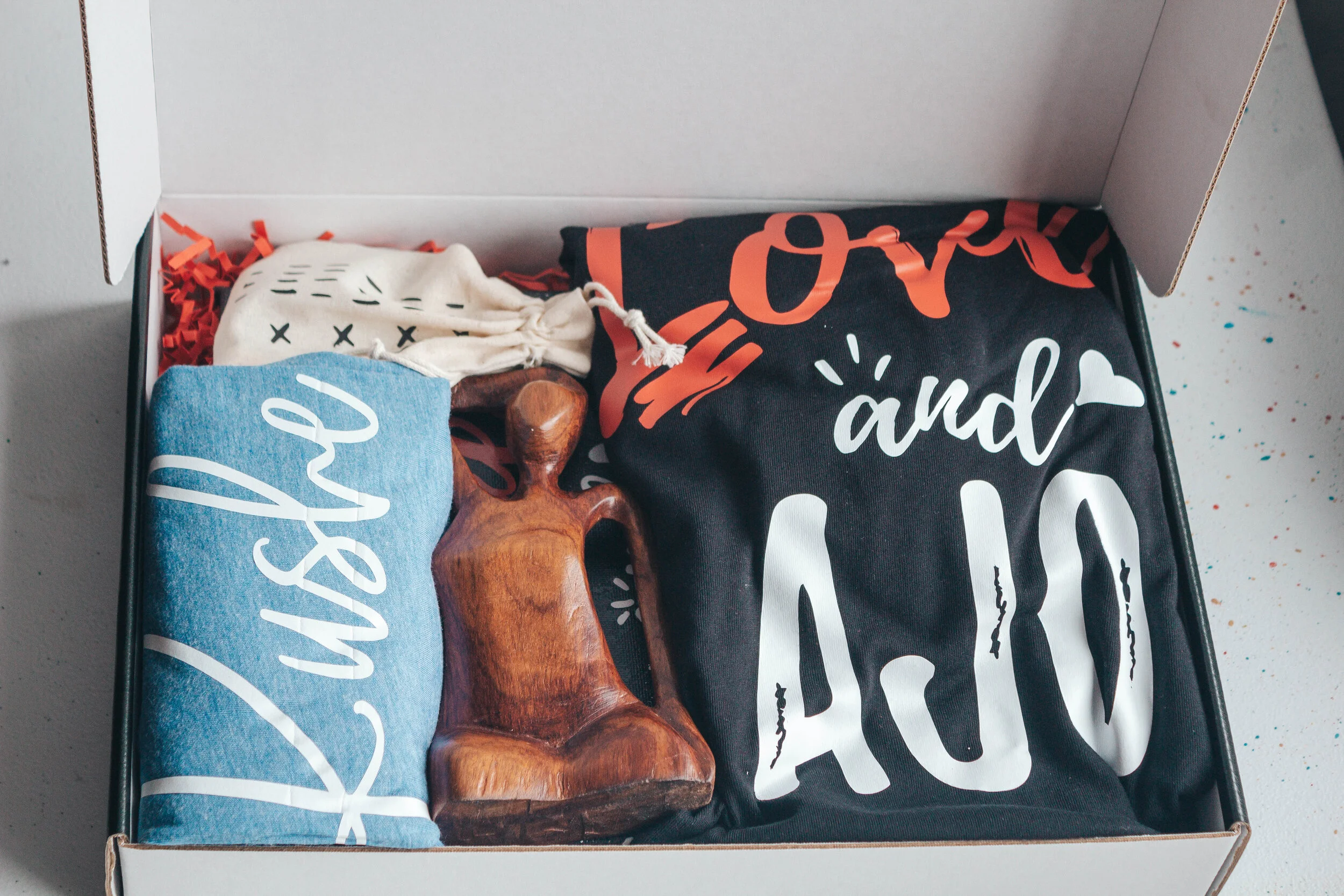
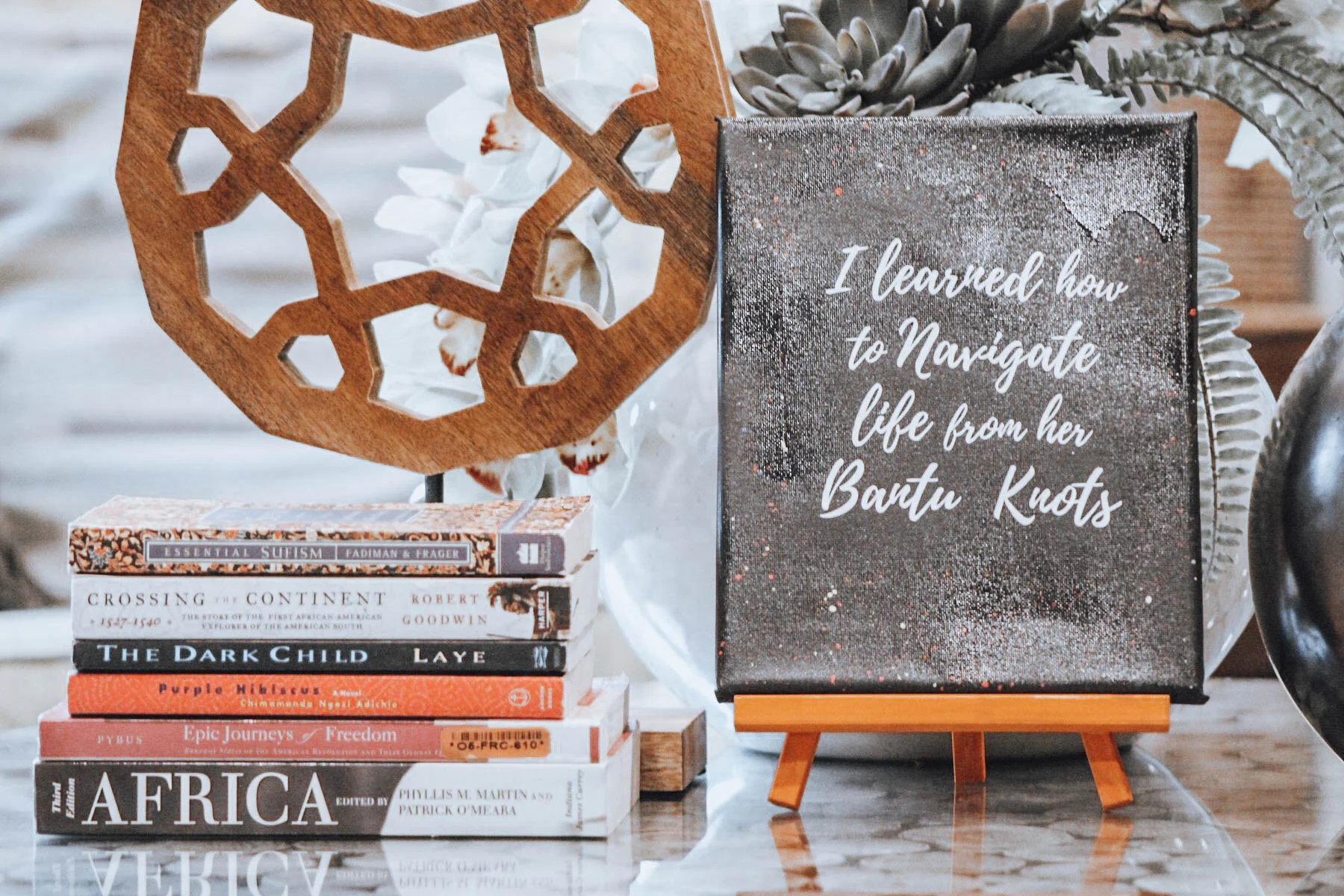
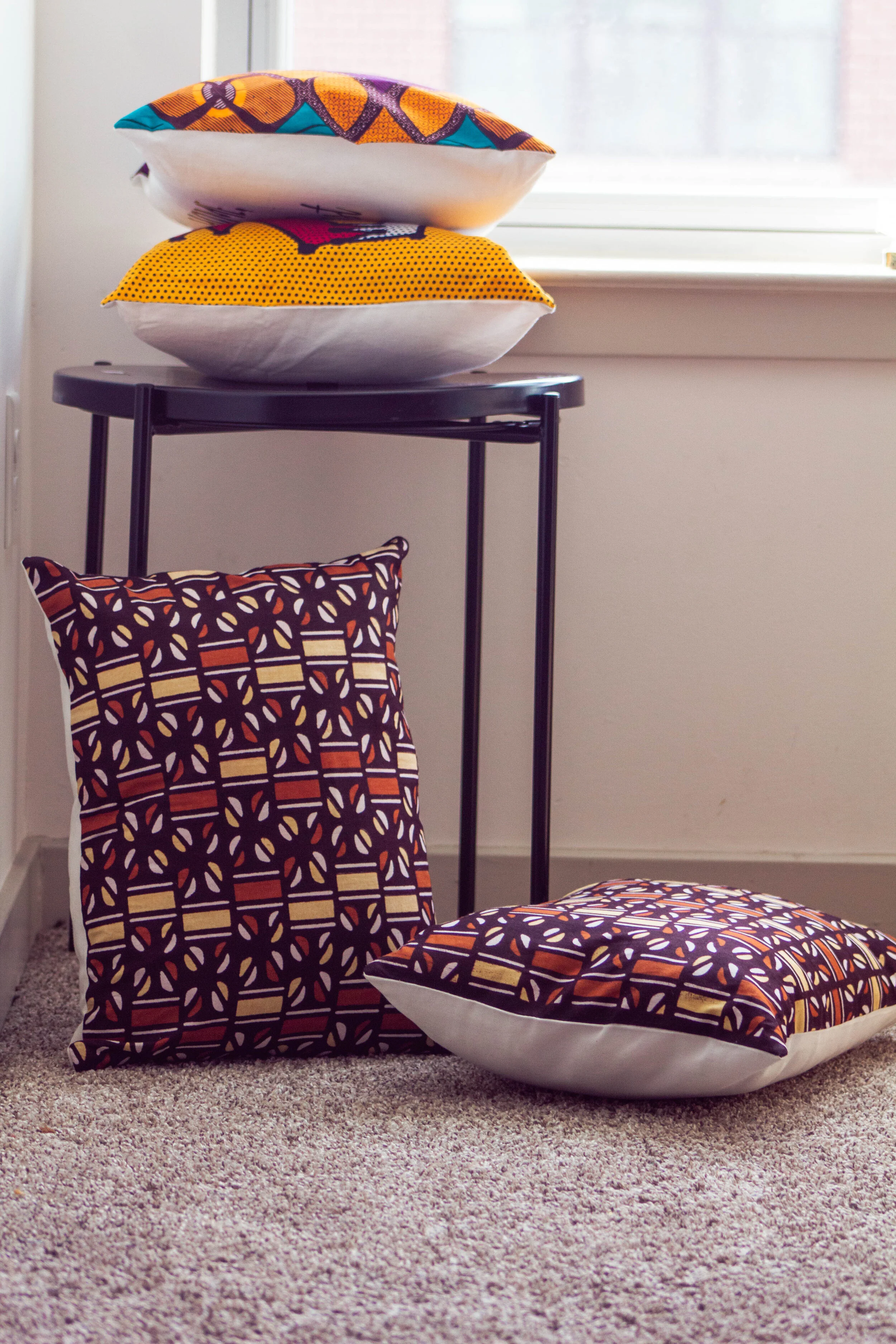
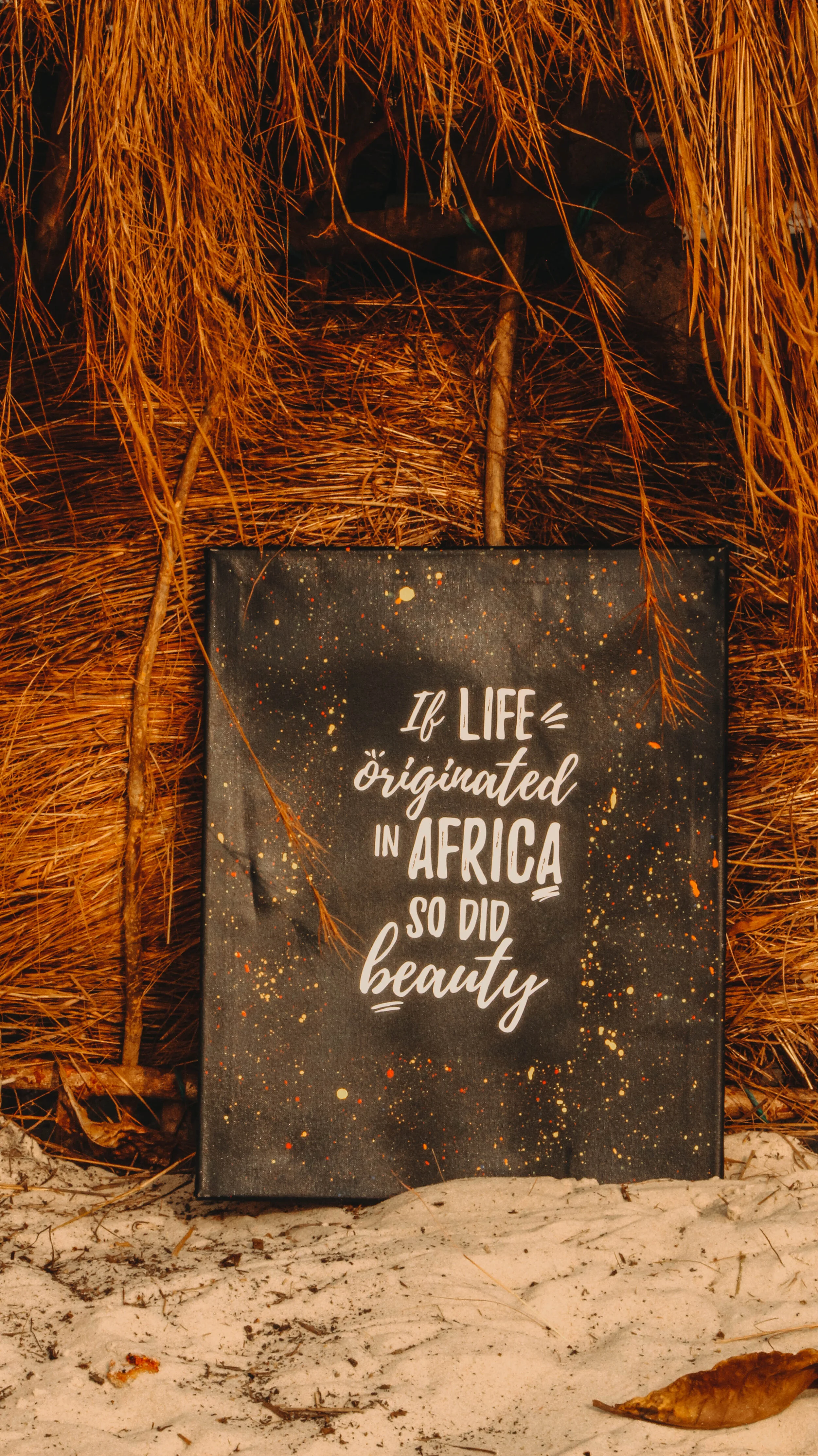
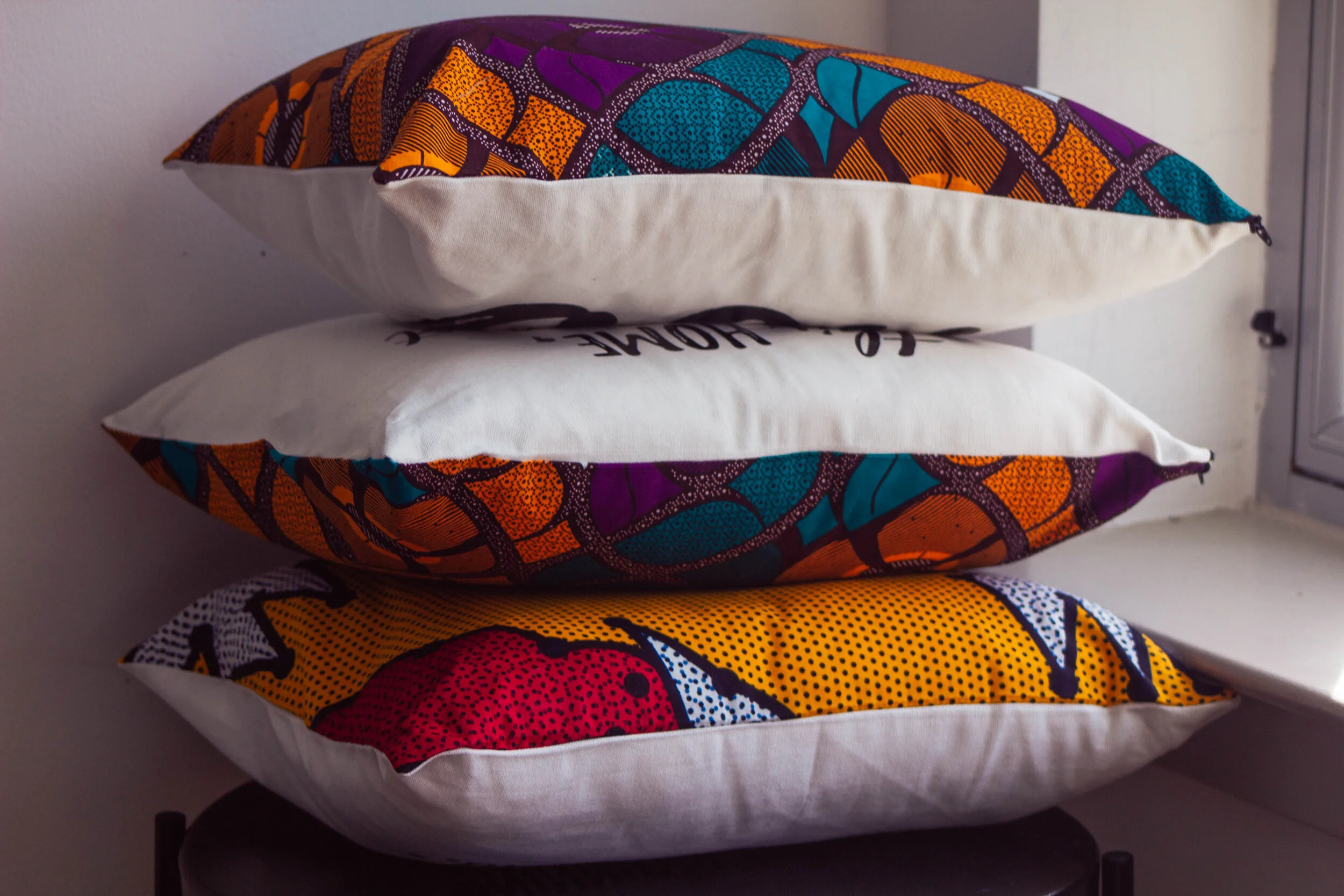
Throw Pillows are made in Sierra Leone by a team of Tailors/Seamstresses. Our Gift boxes are filled with arts and crafts bought from craftsmen/women traders at “Big Market” in Freetown. Our small canvases, created by Akindele are packaged in shukublai bags made by inhabitants of a historic village called Rogbonko. Shukublai has strong links to the sweetgrass baskets made by African Americans along the Gullah-Geechee Corridor. The product highlights the strong connection between South Carolina, Sierra Leone and the region.
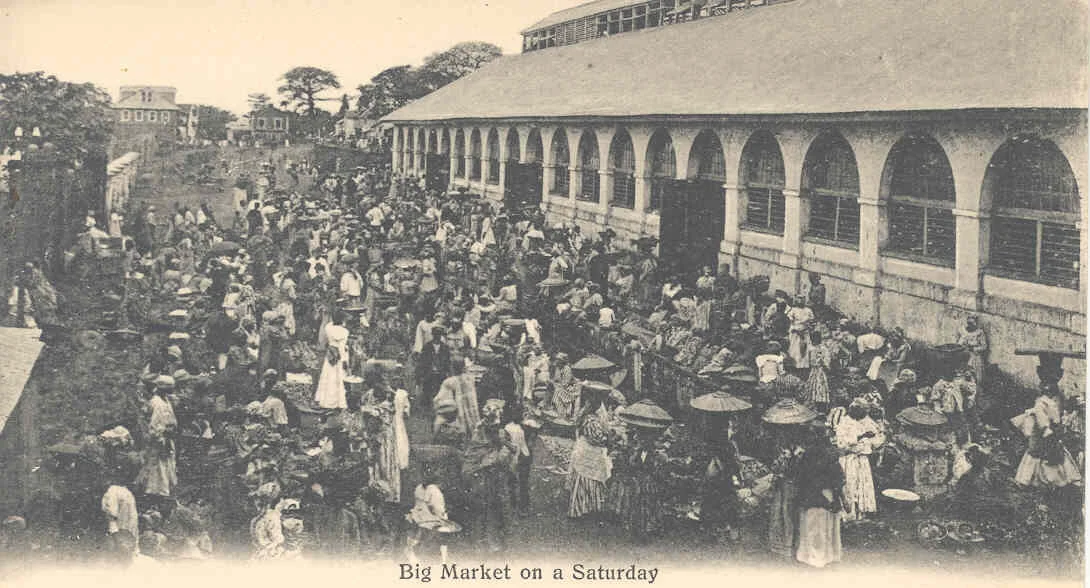
big market
Big Market is one of the national historical monuments of Sierra Leone. Located in Freetown, it was originally built in 1861 by an Afro-West Indian Builder, Charles Hazelborg. It sits at the heart of the historic Settler Town, founded by African American settlers in 1792, who gained their freedom from fighting for the British during the American Revolutionary War. Big Market is a perfect illustration to the dynamic history and diversity of Freetown. Market Traders, especially Women Traders and Arts & Crafts Traders are at the heart of our brand.
Fambul Tik Heritage
Fambul Tik Heritage
Content Manager (Trip Coordinating Team) 2019-2020 heritage tour from america to sierra leone
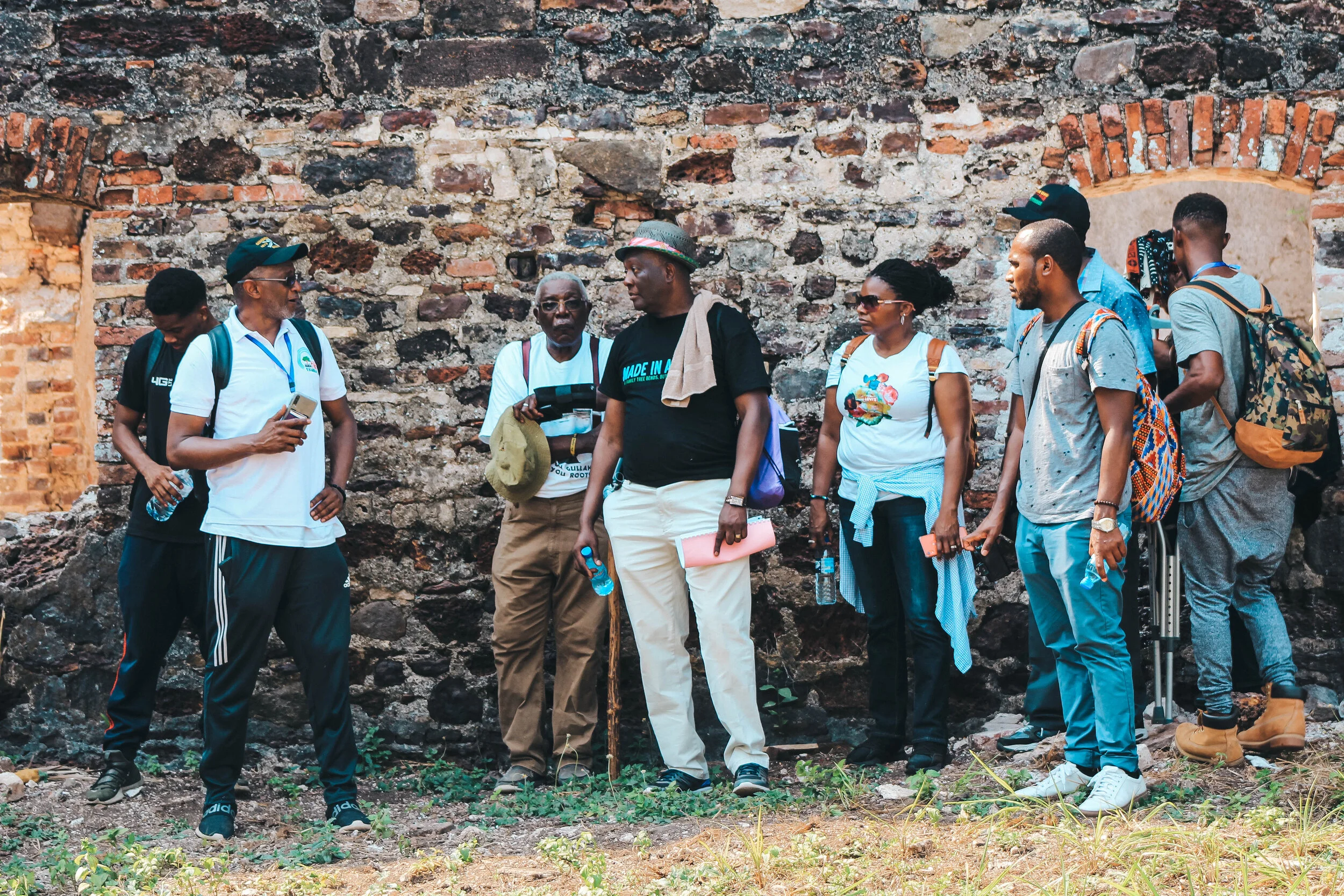
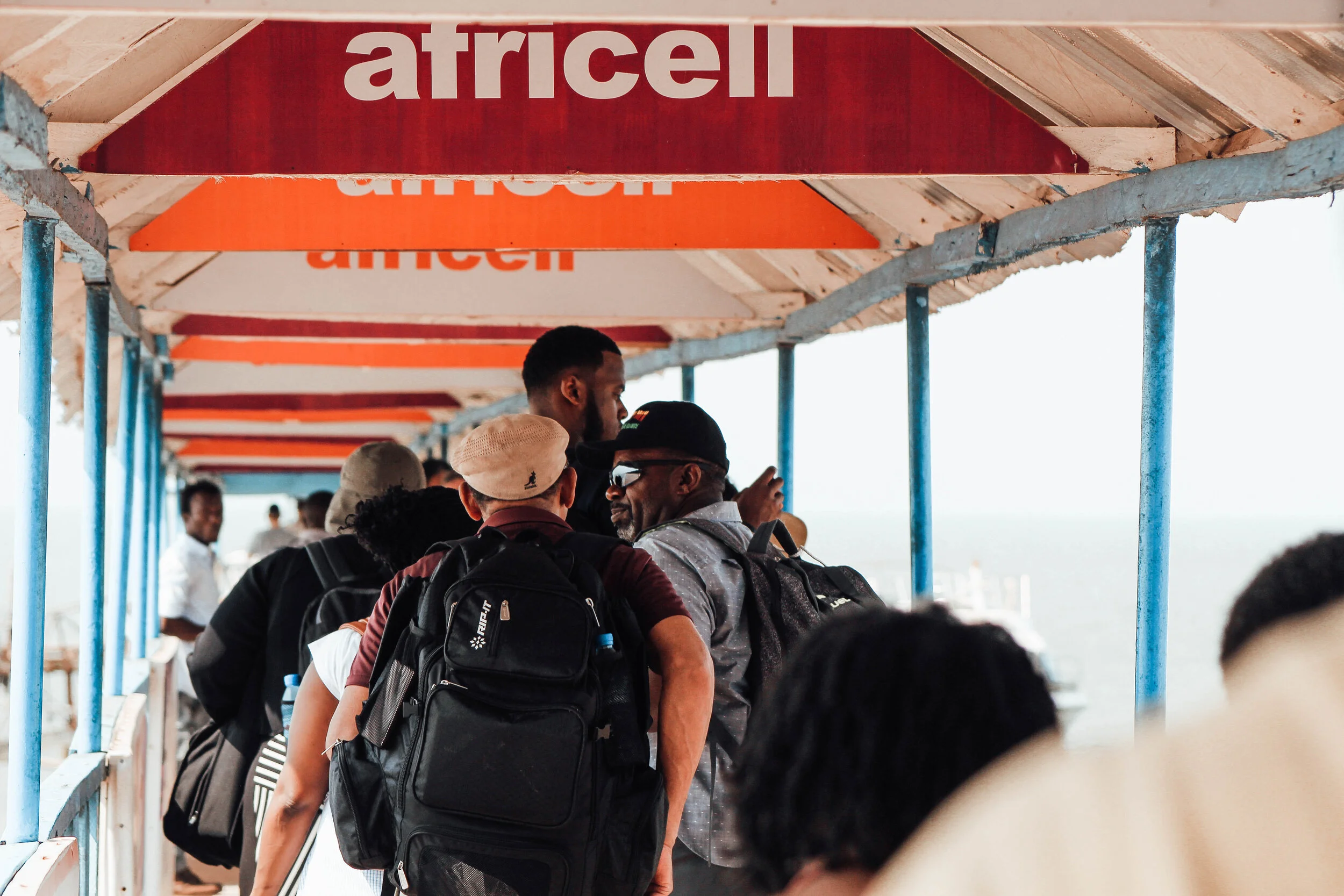
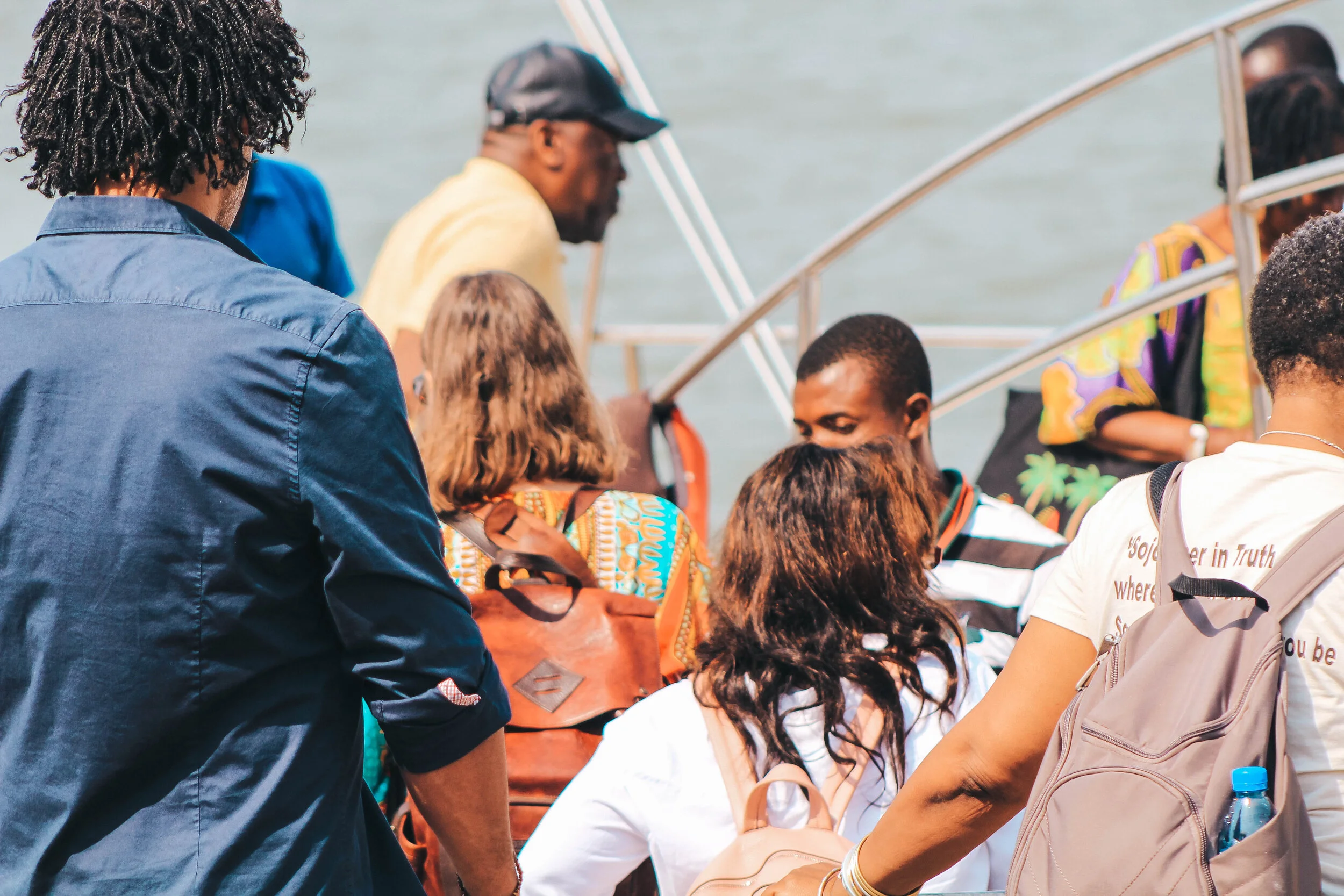
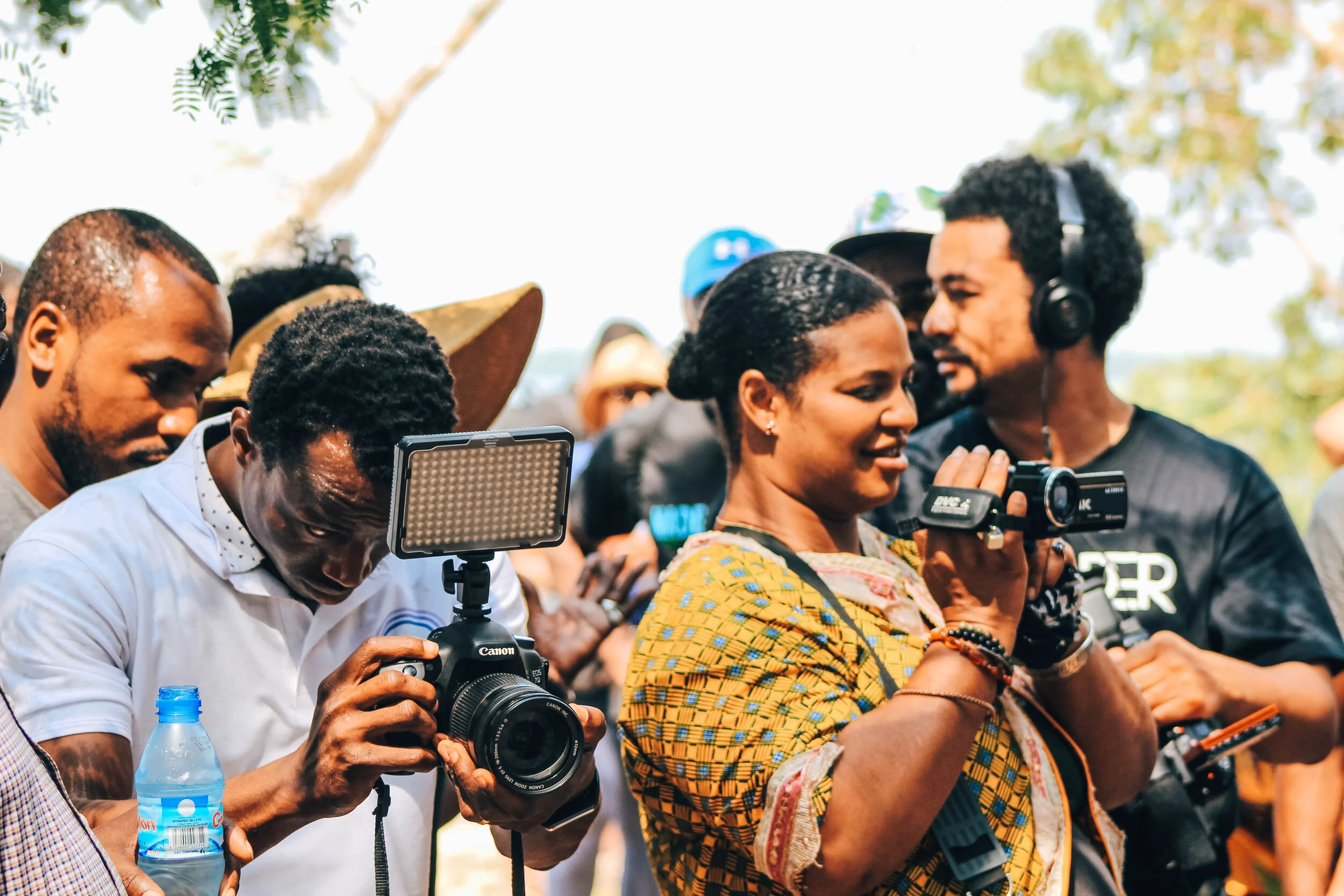
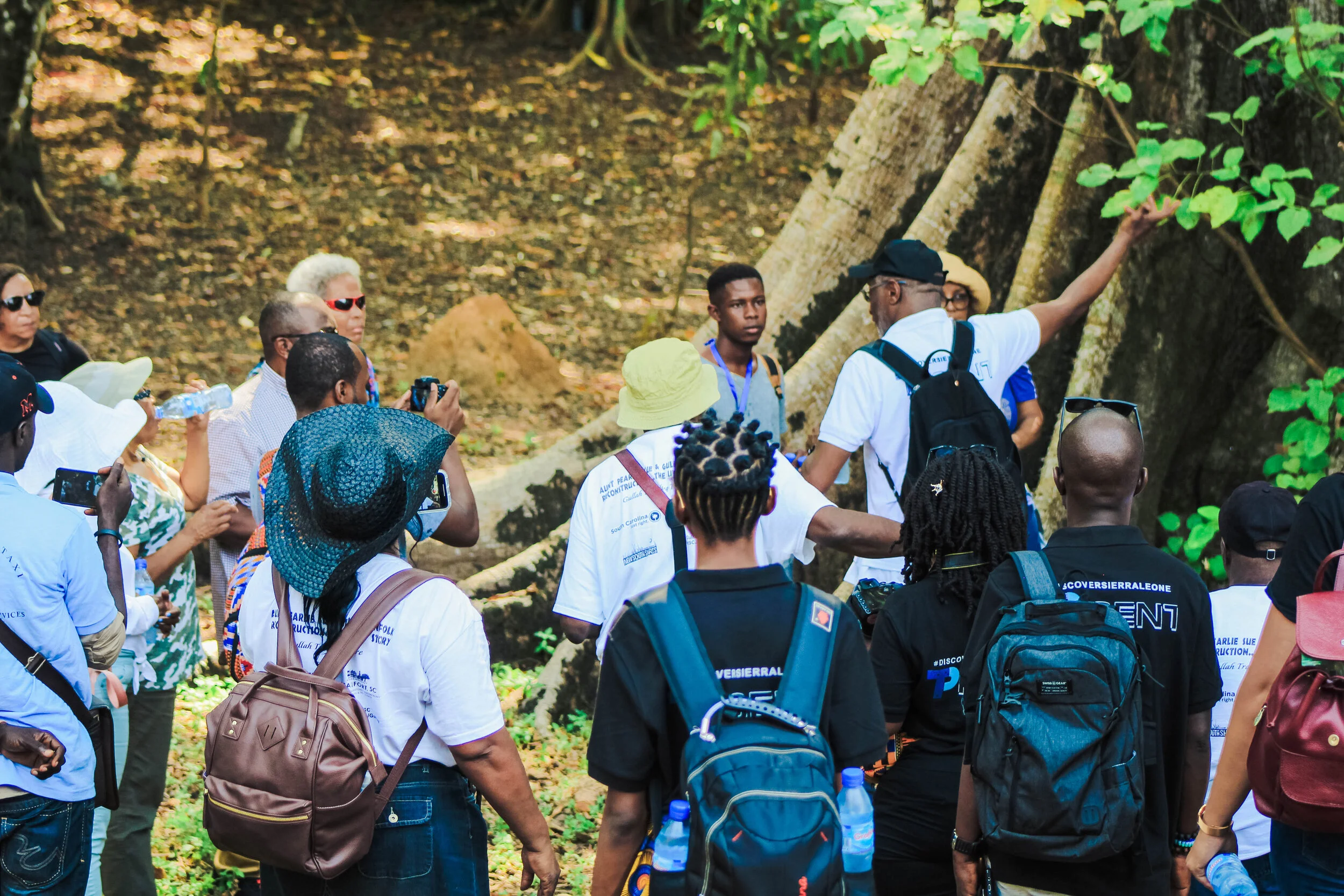
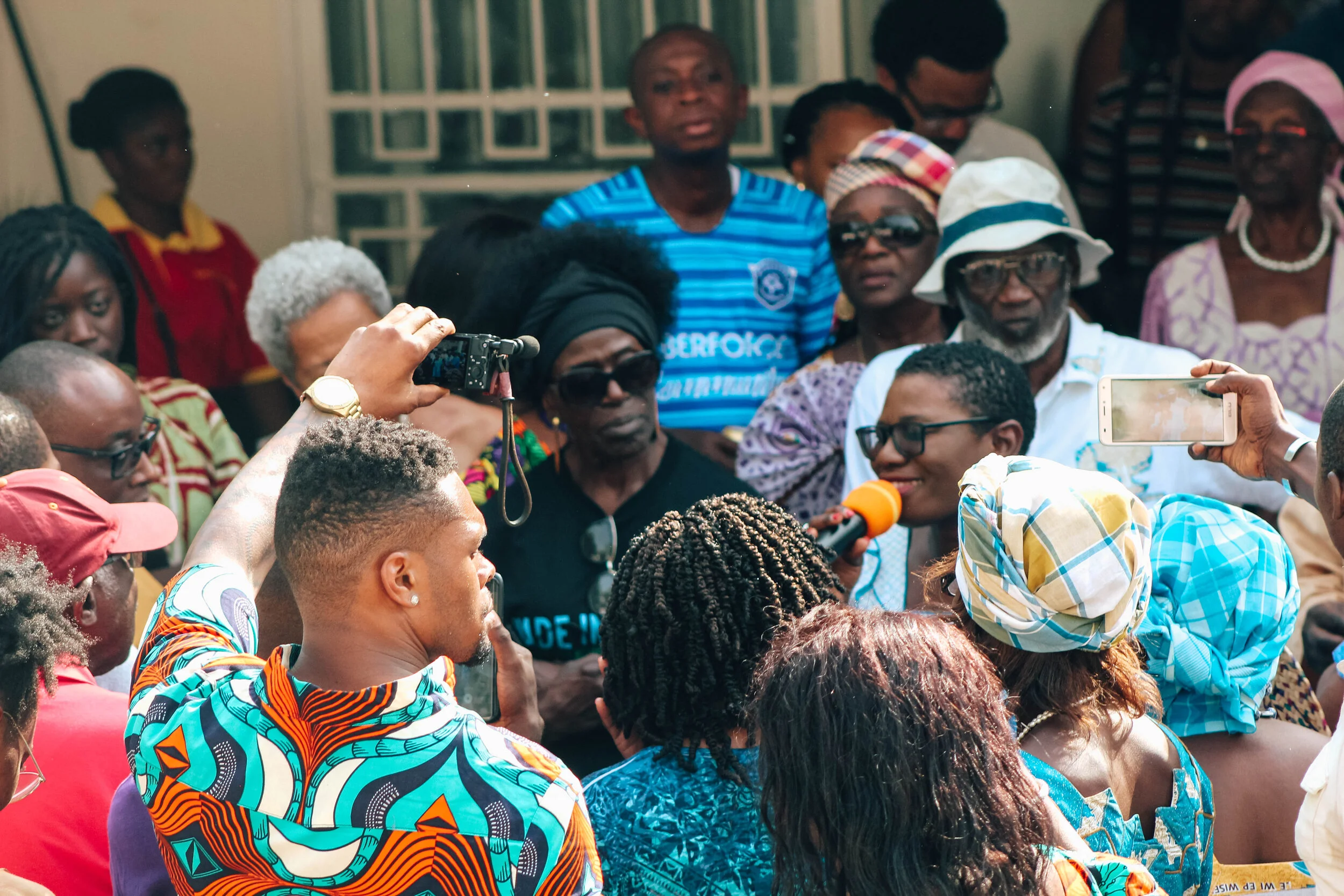
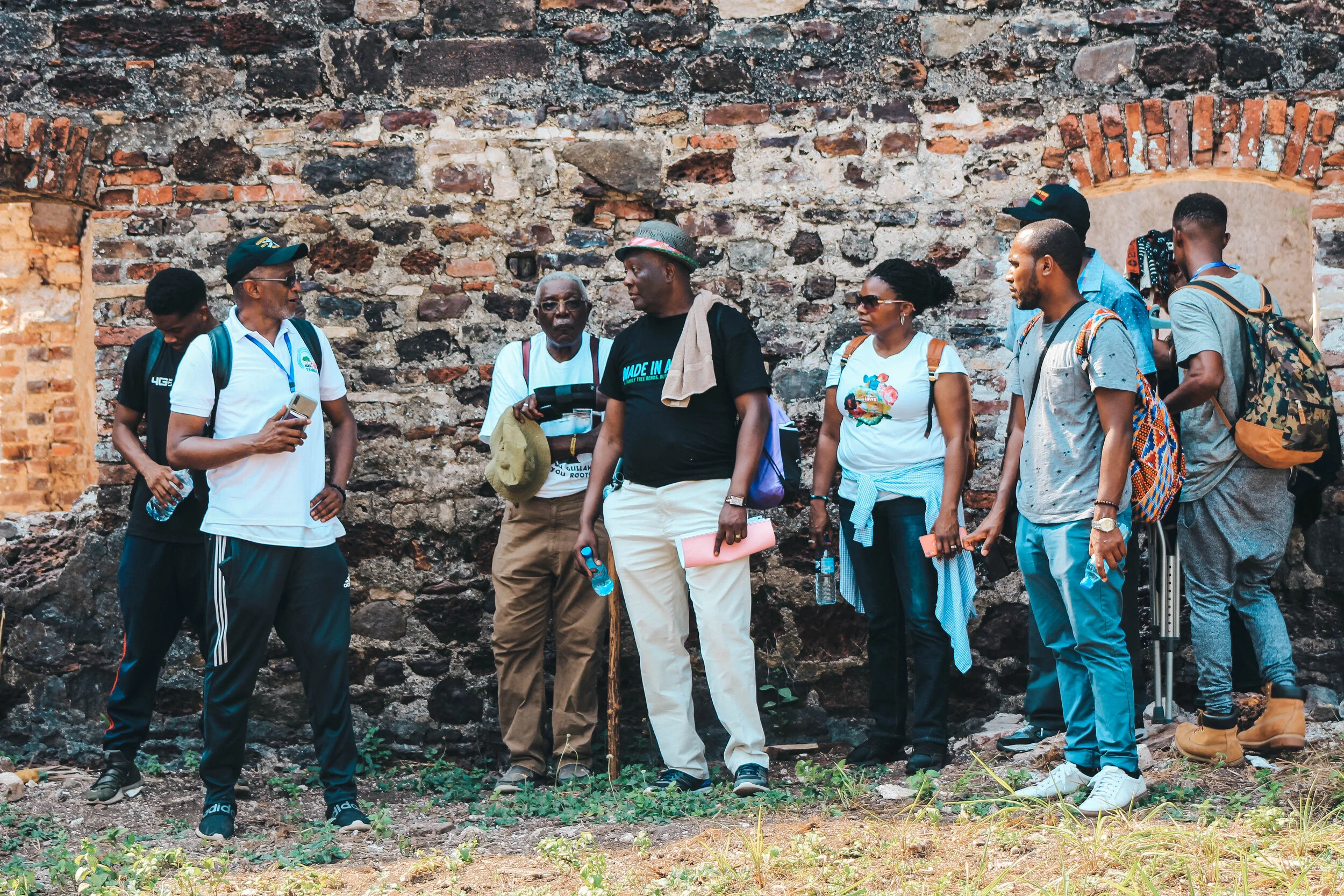
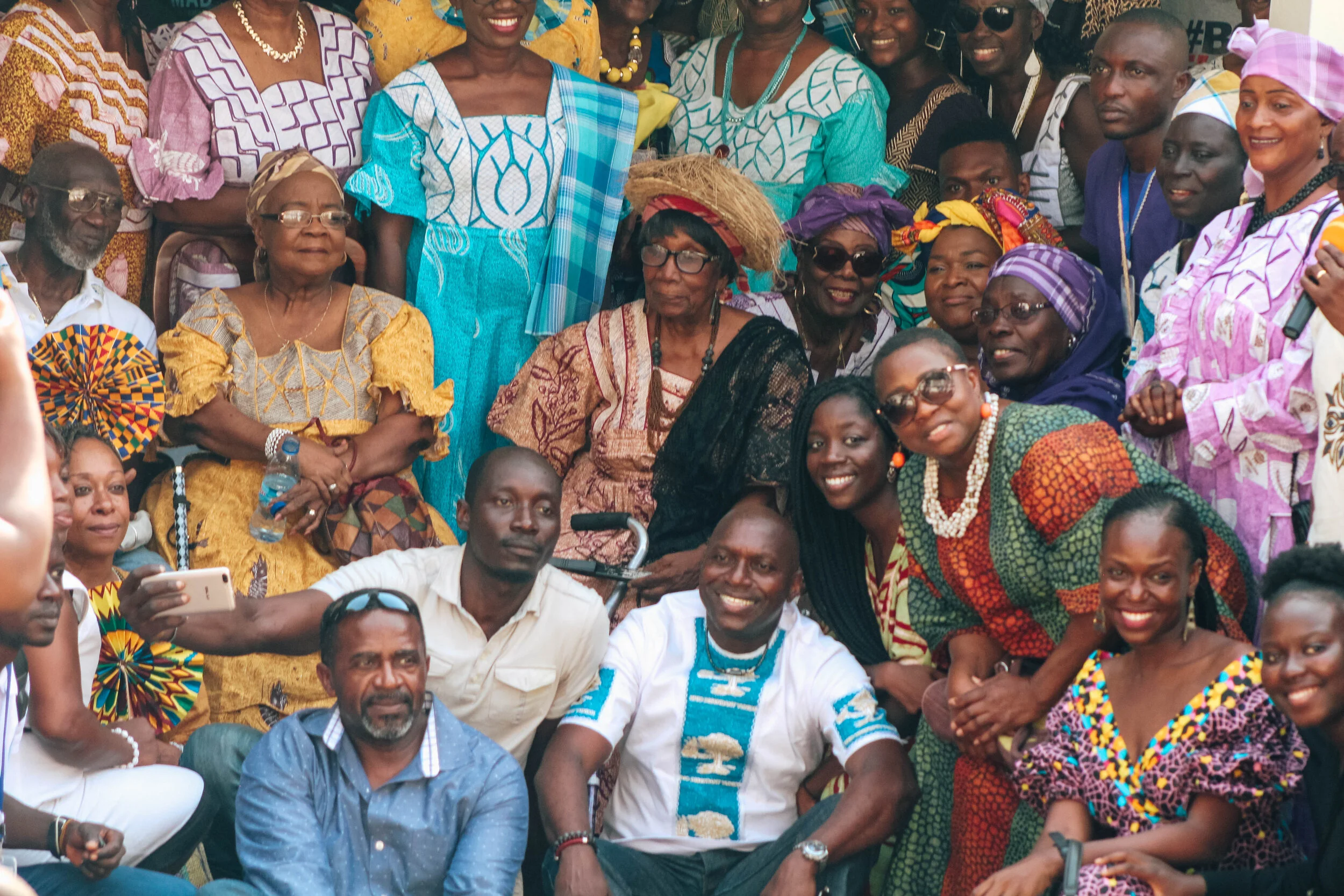
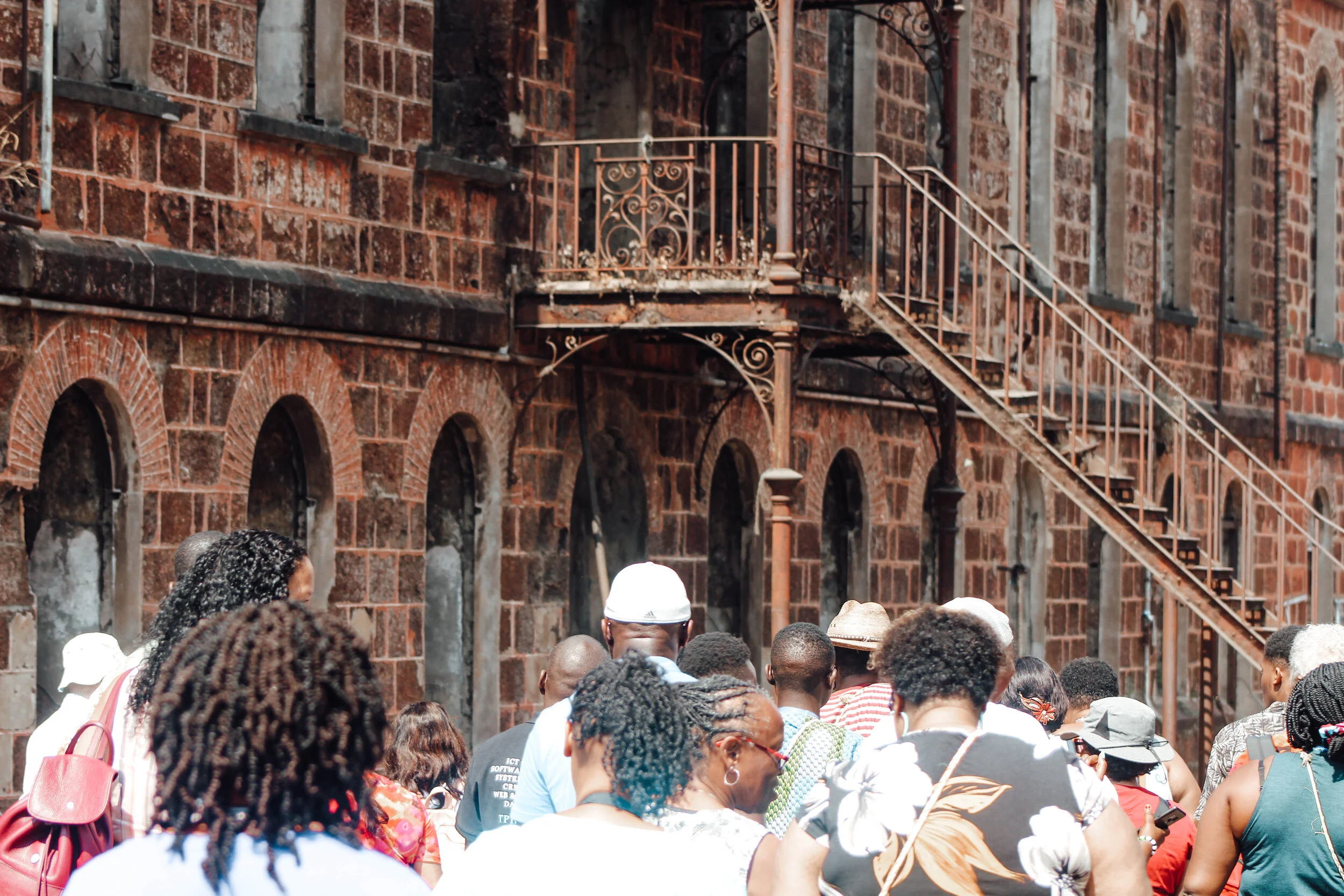
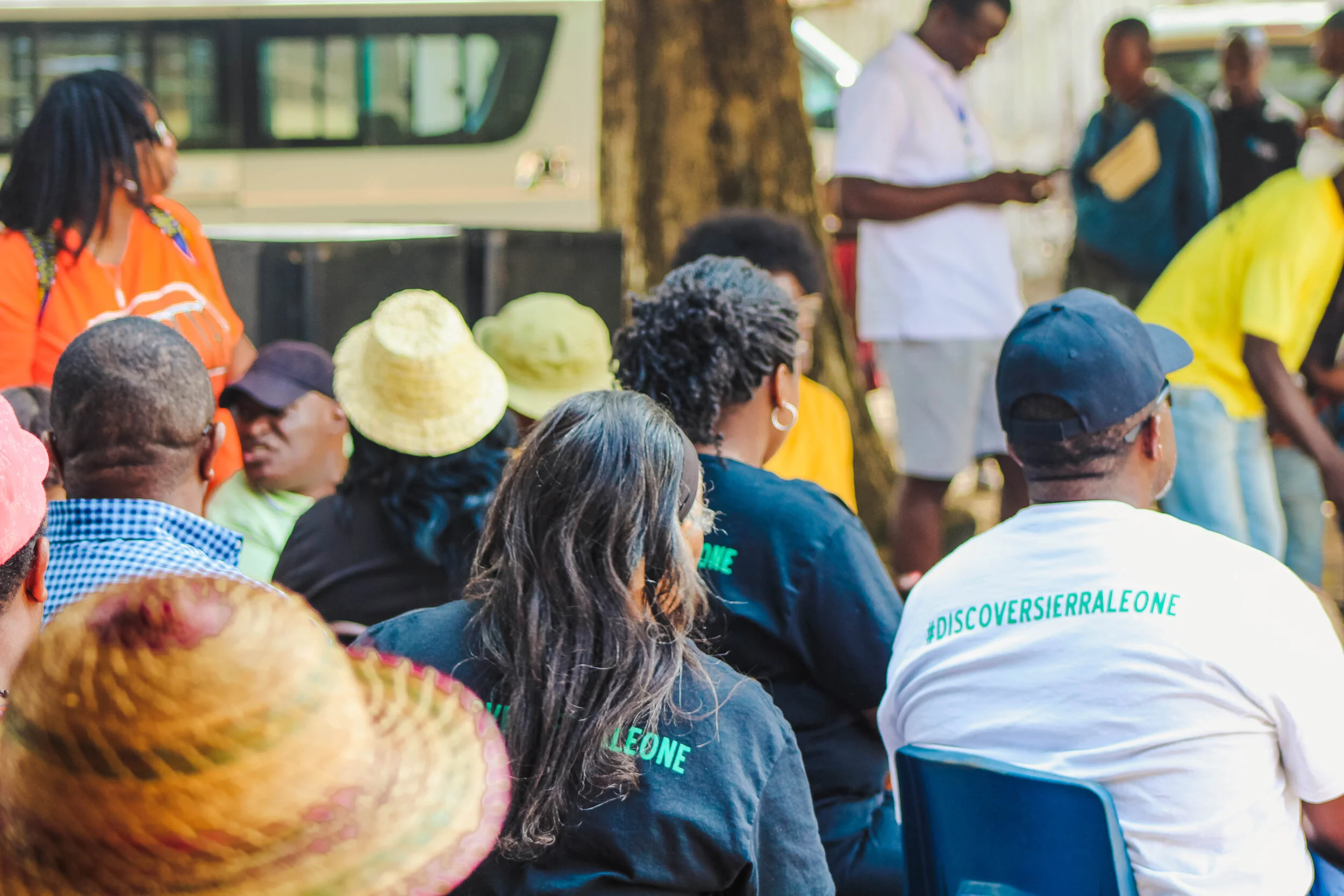
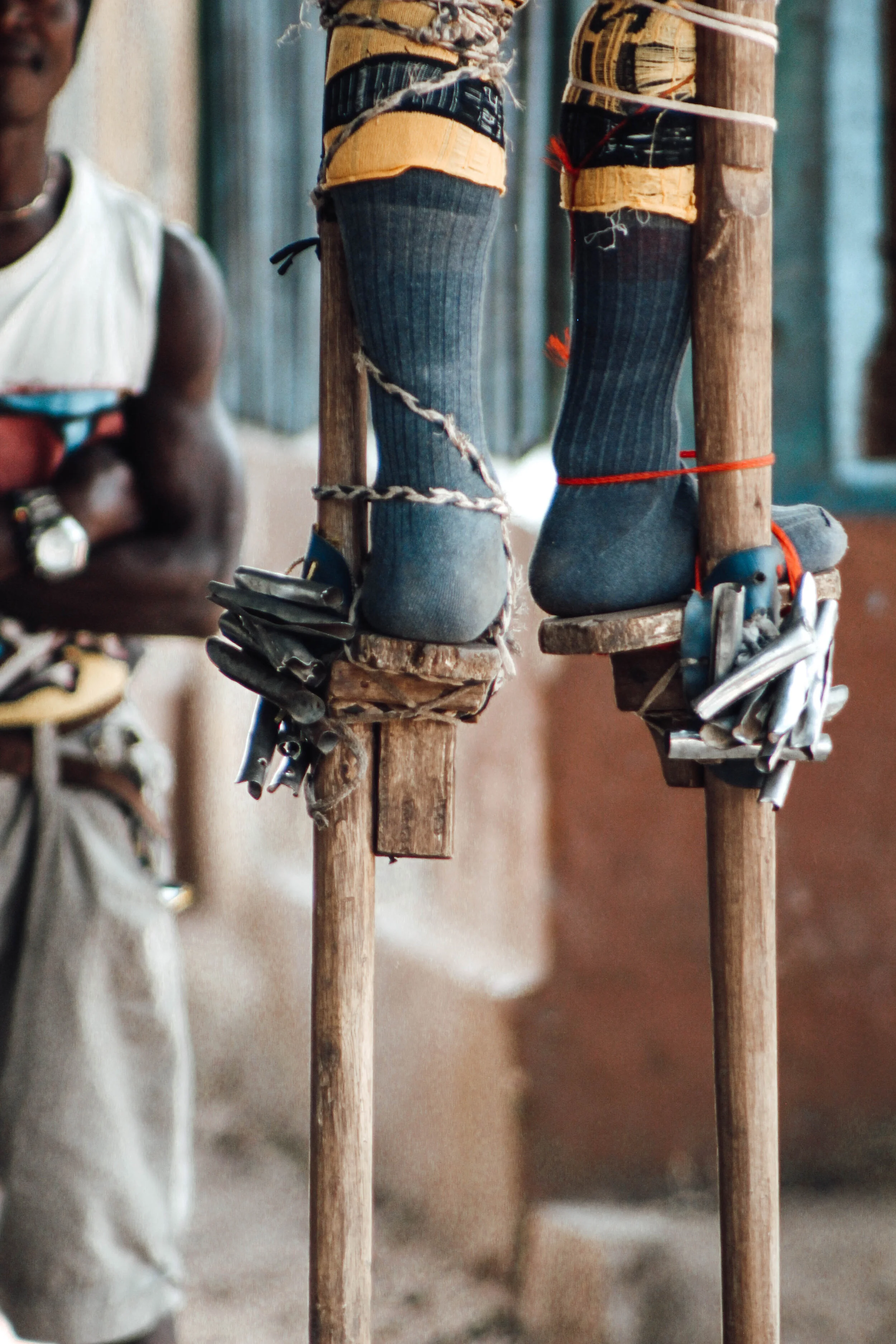
Facilitated by Fambul Tik, a Heritage Tours company, we took a group of about 50 African Americans, mainly from the Gullah community to Sierra Leone. For 2 weeks, we travelled to the northern, southern, eastern, and western regions of the country. The list of travelers included Commissioners of the Gullah Geechee Heritage Corridor, Anthropologists, Historians, Cultural Performers and Storytellers.
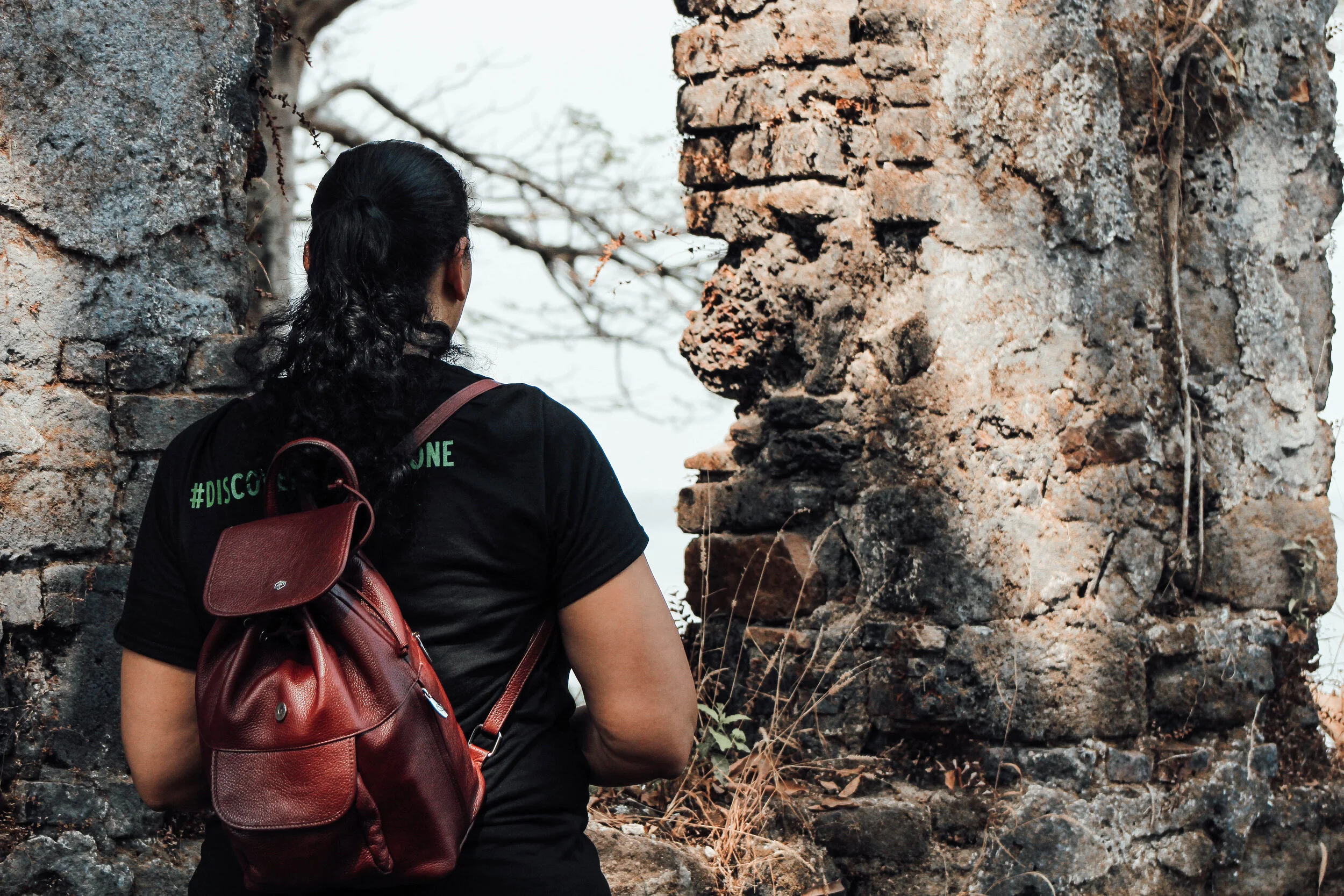
The journey followed with a visit to the historic Bunce Island where they got a chance to trek through ruins of the 17th century slave fort that many African Americans were taken through as enslaved people to the Americas during the transatlantic trade. We then headed on about 3 buses to Makeni in the North, where we explored rice connections that dubbed the region ‘Rice Coast’ during the transatlantic trade. The journey continued to Old Yagala village near Kabala, where we climbed a 45 minute-long mountain to see ruins of an old rocky town that was designed to resist slavery.
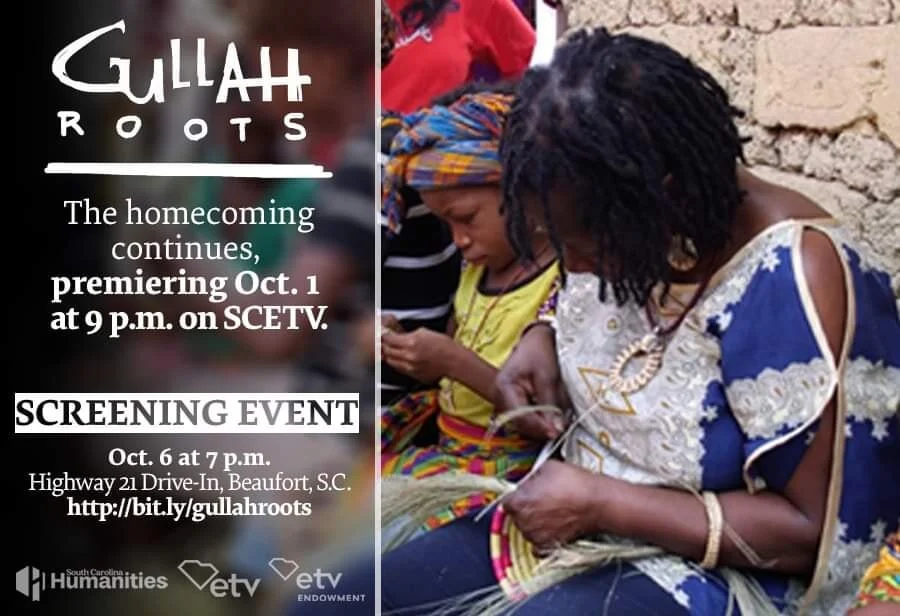
At Robonko village near Magburuka, Gullah expert sweetgrass basket maker, Nakia Wigfall sat with a local shuku blai maker and both made baskets together in real time, a 200+ African tradition preserved in South Carolina and Georgia.
In the West, travelers rang in the New Year at the historic Zion Methodist Church, built in 1792 by African American settlers who fought for the British during the American Revolutionary War. The next morning, the group made their way to the Sierra Leone National Museum for a Press Conference hosted by the Ministry of Tourism and the Monuments and Relics Commission. The next day, travelers were hosted by the Mayor of Freetown, a descendant of one of the African American Settlers of 1792 and a Jamaican Maroon Settler who arrived in 1800.
The group left for Bo, in the South, to Senehun-Ngola, a Mende village. It was a reunion of the family of Amelia Dawley, a Georgia Gullah native, who in the 1930s, had recorded a Mende song preserved in her African American family for 200+ years. It was the last stop on the roadmap, before the group headed back to the airport to return home.
Sierra Leonean icons
Sierra Leonean icons
Co-Curator 2019-
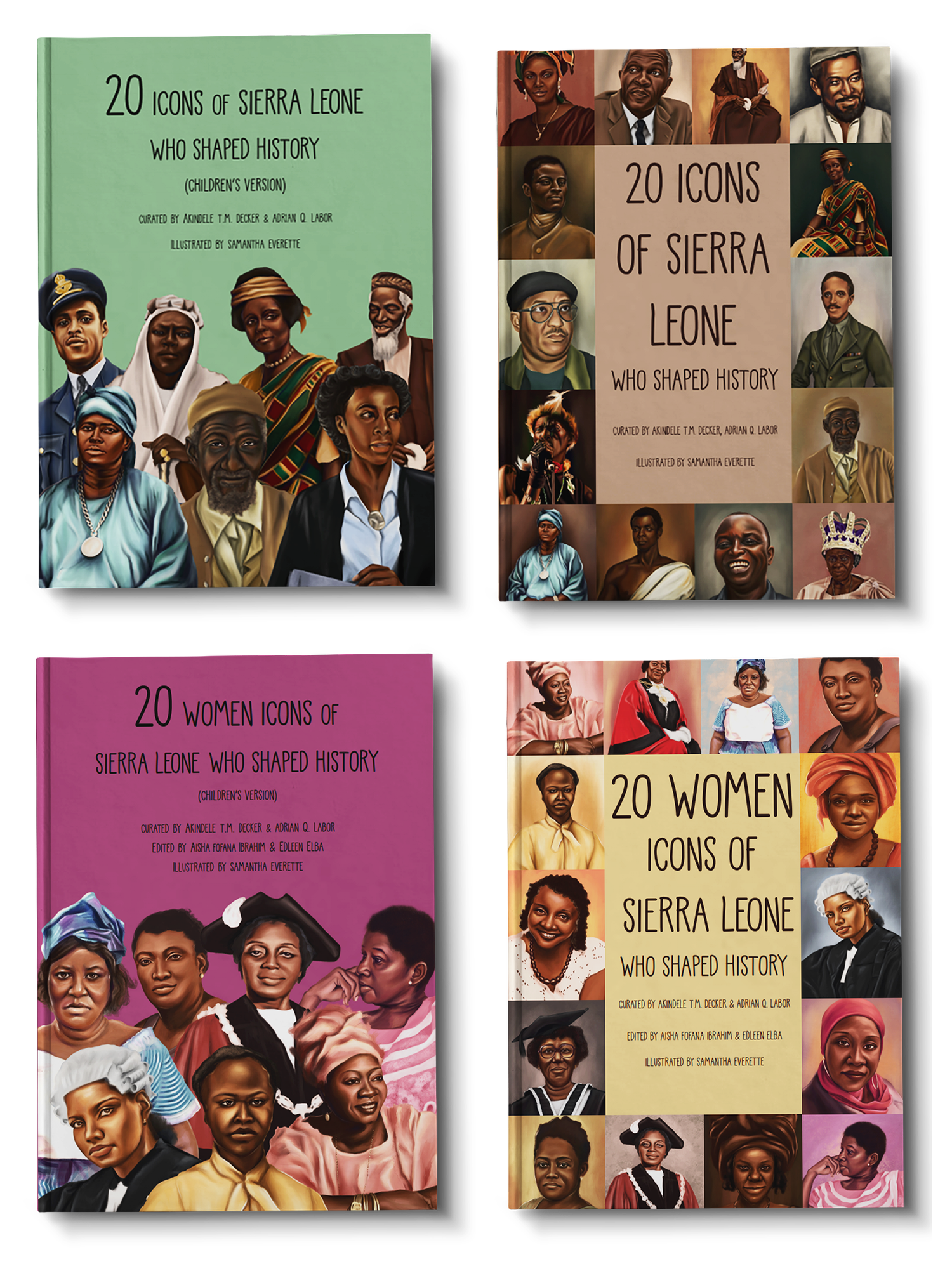
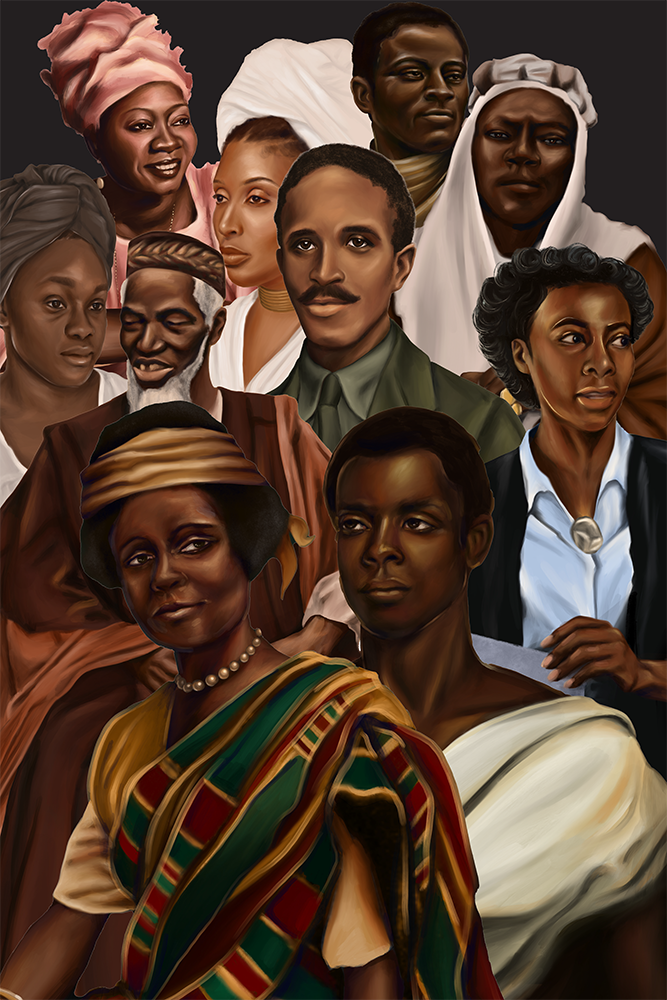
While Sierra Leone gained its independence in 1961, 53 years ago, its historical value in respect to the advancement of Africans across the globe and the pioneering nature of Sierra Leoneans dates back at least 200+ years.
In the 19th Century, Sierra Leone was hailed as the "Athens of West Africa", specifically for the central role it played to the education of West Africans who attended the prestigious Fourah Bay College in Freetown, the first westernized university in West Africa.
Many of Sierra Leone's older pioneers and changemakers started out in their 20s and 30s. It was around his late 30s, in 1874 that Sierra Leonean Dr. Africanus Horton published the very first account of Sickle Cell disease in the world. Sierra Leonean Dr. J.F Easmon was in his late 20s when he became the first in the world to coin the name 'Blackwater' to the Malaria disease when he wrote "The Nature and Treatment of Blackwater Fever" in 1884. In his late 20s, the world renowned Sierra Leonean Composer, Samuel Coleridge-Taylor was invited to the White House by President Theodore Roosevelt in 1904.
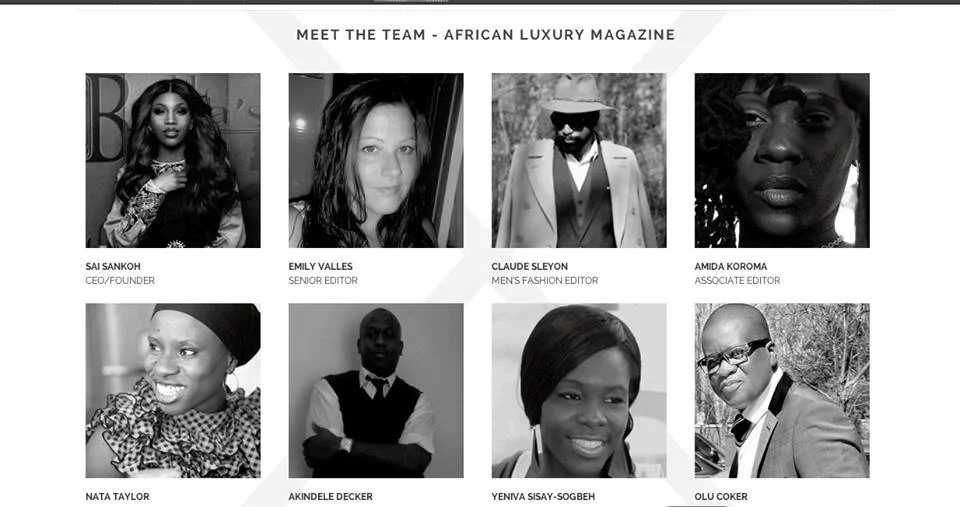
As the country recently celebrated its 53rd Independence, 30 Sierra Leoneans under the age of 30 were featured in African Luxury Magazine, showcasing a variety of individual and collective accomplishments locally and internationally.
GWB - ONE Campaign
GWB - ONE Campaign
Contributing Poet (2016)
By Sarran Jabbie, Co-Chair, GWB Commission
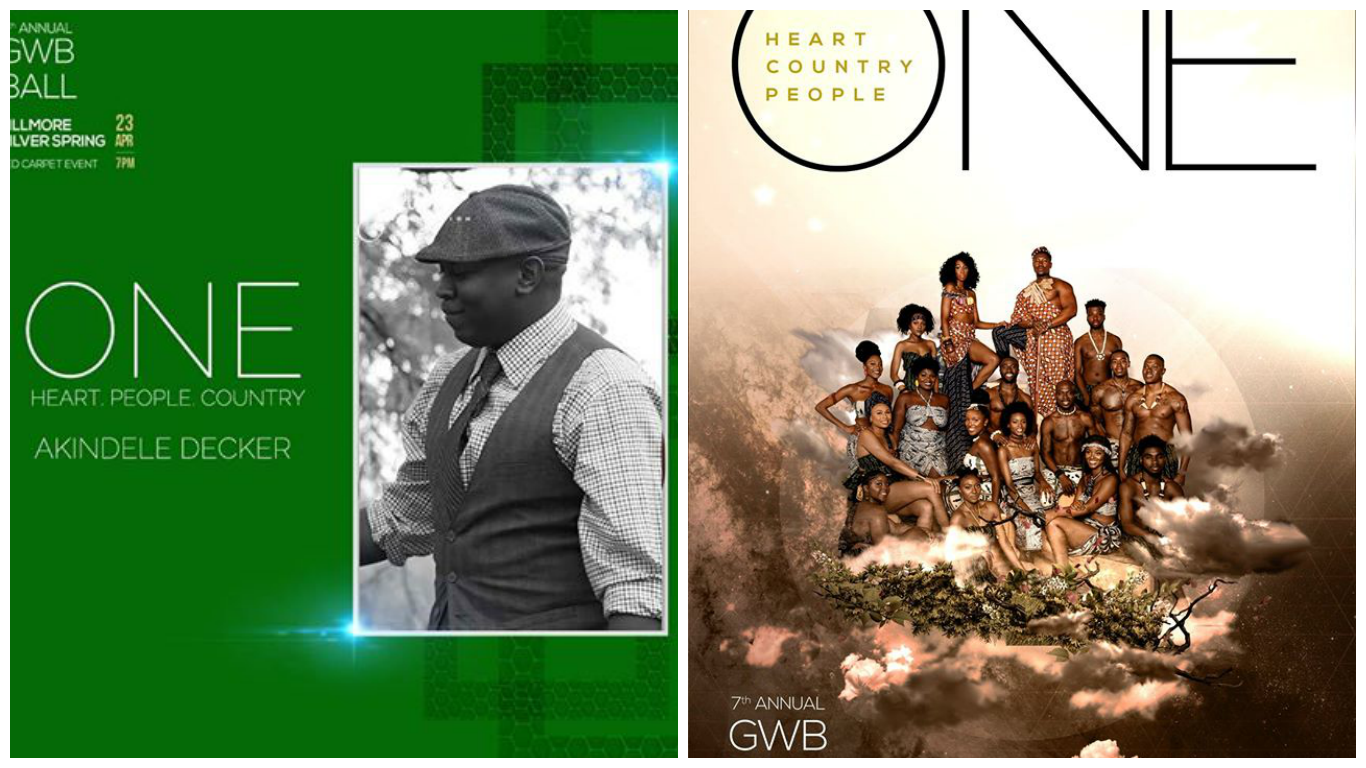
Partner Highlight: "Mama Birthed Me" you've probably seen these words accompany every flyer that we've had thus far. They are poems written by the talented and brilliant poet Akindele Decker personifying the different people of Sierra Leone. When we began our brainstorming of this year's theme it was a focus on tribes, then we thought to ourselves why focus on the things that make us different instead of what brings us together?
Then we realized that our differences were one of the main factors that brought us together as Sierra Leoneans. Only in Sierra Leone will you find religious tolerance such as ours and only in Sierra Leone will you find tribes that intermarry at the rate that we do. So it became clear to us that Sierra Leoneans practice the idea of "ONE" in more instances than not compared to the rest of the world and we fail to give ourselves the credit we deserve.
And so we called on Akindele to help us convey this message of "ONE" while respecting our respective roots, cultures, and traditions. He eloquently and beautifully described each people of Sierra Leone by their location, traditions, features and languages. These poems are literally history lesson in art. If you missed it, you're in for a treat!
Thank you Akindele for lending us your brilliant talent. You helped us in more ways than one in bringing our people together through this campaign and your eagerness and willingness to assist us was much appreciated and admired.
Learn more about GWB's ONE Campaign here
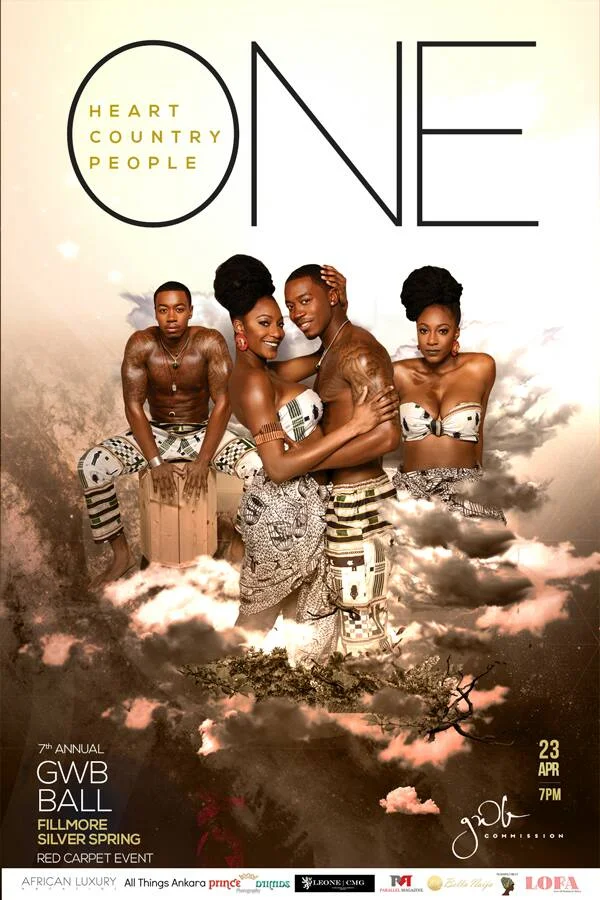
LIMBA
Mama birthed me
And laid me on a mountain
From Binkolo to Bafodia, Sela to WaraWara
No wonder why Safroko taps the palm wine
And comes down to share the joy
Who wouldn’t bask in the shade where age is uncertain
There is always wisdom in the age of her beauty
Carrying me on her back
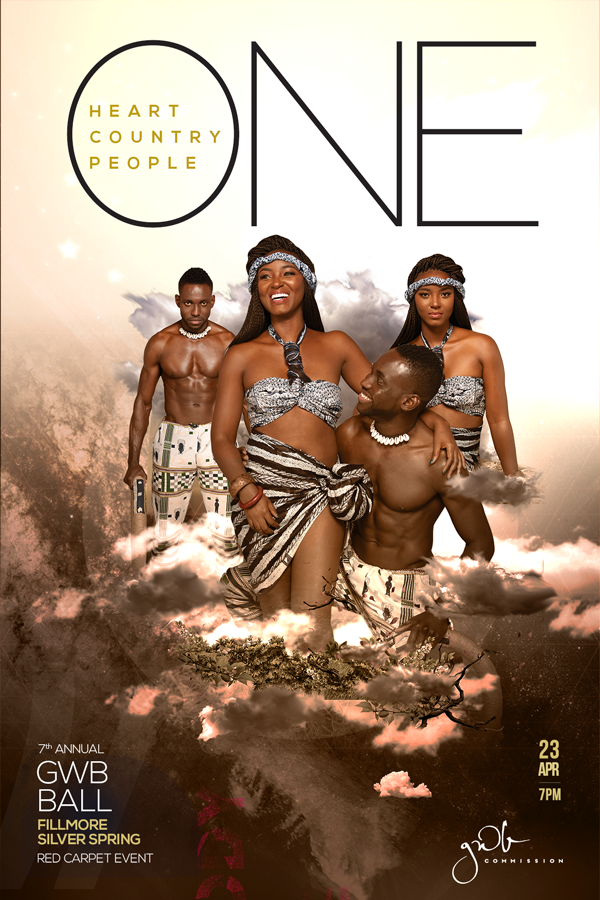
MANDINKA
Mama birthed me
The sound of her labor echoed
From Koinadugu to Yengema
Akin to Kora strings tapped by her fingers
The sounds of the drums beat daily
dinka-din-wass-oulou-man-di-kinda-kin
Malian melodies sounding in the eardrums of a dancing Moussou
Carrying me on her back
FULANI
Mama birthed me
From the depths of Fouta, wide beyond the rivers of Guinea
The soles underneath her shoes reveal the long walks across cities before she arrived here
Into Freetown markets with coins coined in Koinadugu
Careful not to devalue the inheritance of Papa’s ous moni
Adjusting well to the order of too much sense and too many cents
The beauty of a Musu unflustered
Carrying me on her back
Creative Director: Jacqueline Weah of LOFA Magazine & GWB Commission
Stylist Assistant: Eugene Simms
Make Up Artist: Khristopher Aiyeh
Accessories: Sunny Kamara of Restycle/ Masa of Bee Sistars
Photographer: Prince Zamira Photography
All Graphics courtesy of GWB Commission
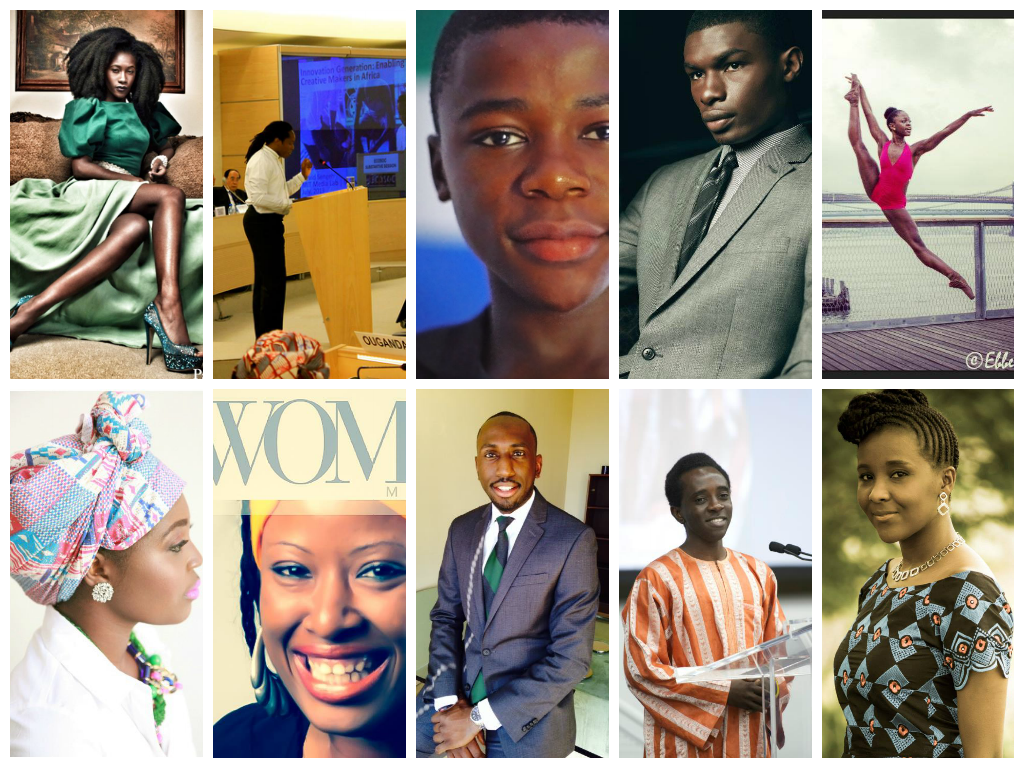
30 Sierra Leoneans
30 Sierra Leoneans
Curator (2014)
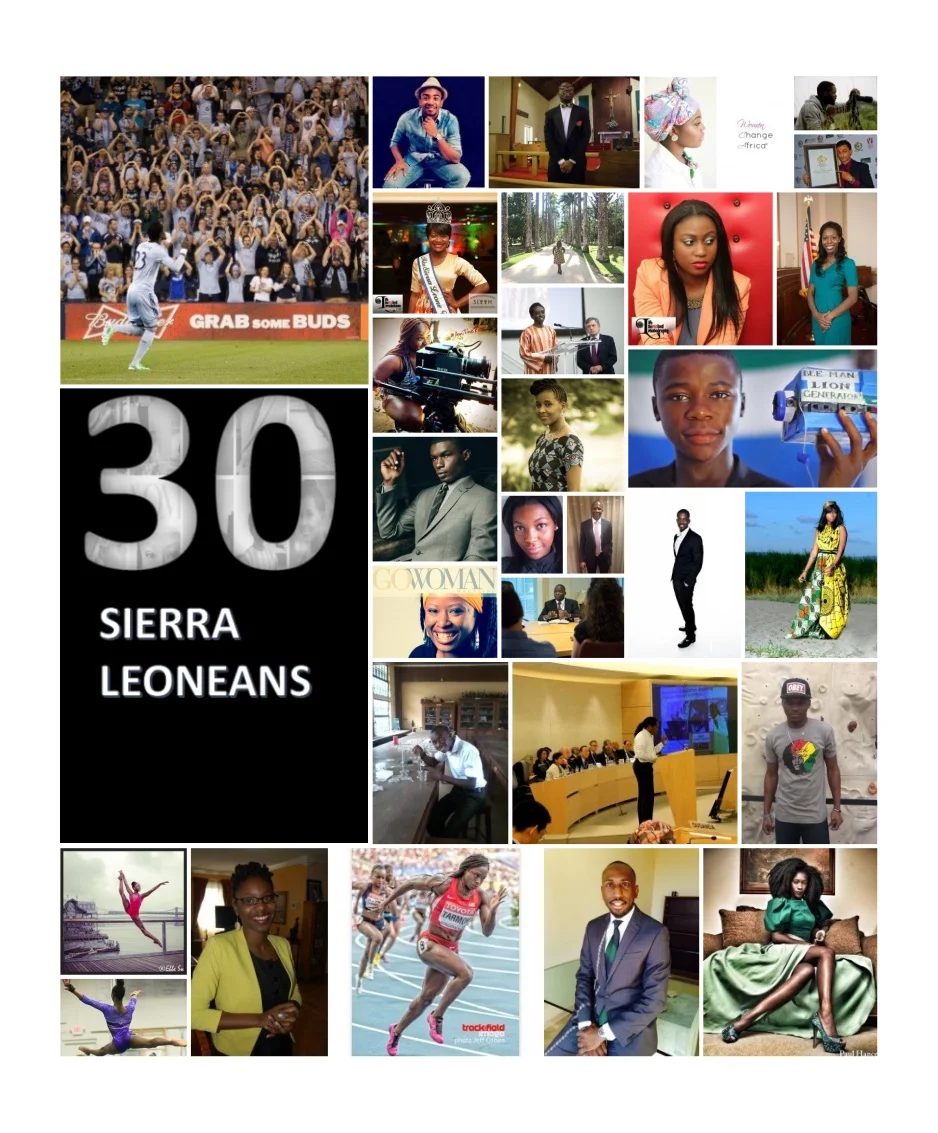
While Sierra Leone gained its independence in 1961, 53 years ago, its historical value in respect to the advancement of Africans across the globe and the pioneering nature of Sierra Leoneans dates back at least 200+ years.
In the 19th Century, Sierra Leone was hailed as the "Athens of West Africa", specifically for the central role it played to the education of West Africans who attended the prestigious Fourah Bay College in Freetown, the first westernized university in West Africa.
Many of Sierra Leone's older pioneers and changemakers started out in their 20s and 30s. It was around his late 30s, in 1874 that Sierra Leonean Dr. Africanus Horton published the very first account of Sickle Cell disease in the world. Sierra Leonean Dr. J.F Easmon was in his late 20s when he became the first in the world to coin the name 'Blackwater' to the Malaria disease when he wrote "The Nature and Treatment of Blackwater Fever" in 1884. In his late 20s, the world renowned Sierra Leonean Composer, Samuel Coleridge-Taylor was invited to the White House by President Theodore Roosevelt in 1904.
As the country recently celebrated its 53rd Independence, 30 Sierra Leoneans under the age of 30 were featured in African Luxury Magazine, showcasing a variety of individual and collective accomplishments locally and internationally.
African Luxury Magazine
African Luxury Magazine
Contributing Writer (2013-2014)
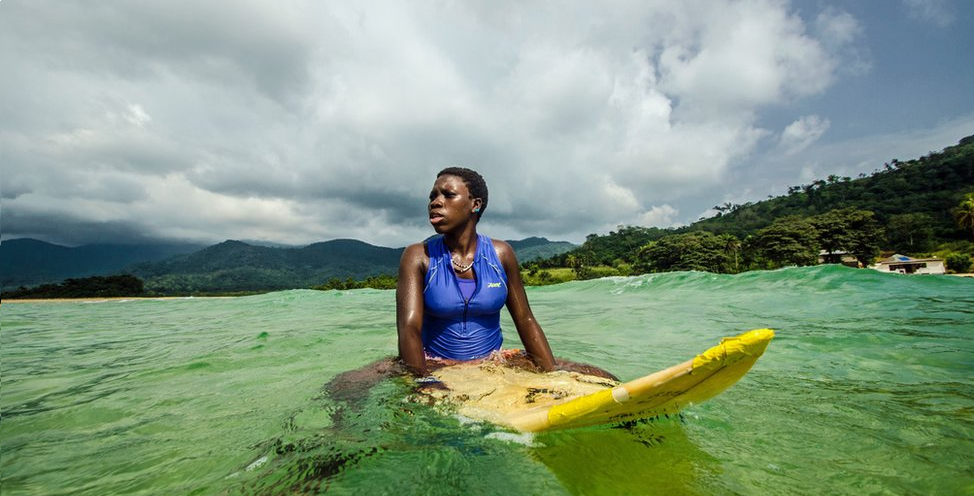
"Horses aren’t usually common throughout the continent, so one might understand the shock some might have in seeing a well-dressed Nigerian Polo player skillfully maneuvering a horse in Lagos, as good as any Westerner or Easterner. Beaches, however, is as common to Africa as golf courses are common to the U.S., so it was only a matter of time till surfing became a local sport on the continent." Read More
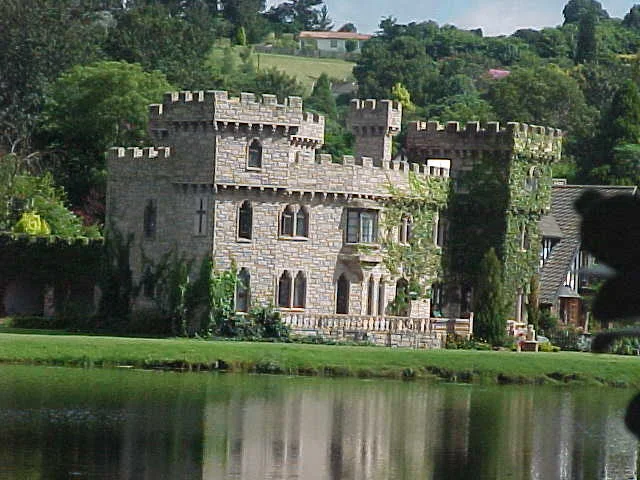
"Scotland, London, France and other countries come to mind when one imagine castles, sitting on the top of grassy hills and stone foundations. Africa is known largely for its pyramids in Egypt and Sudan; mud huts with thatched rooftops and door-less gateways in the rural areas of Sub-Saharan Africa. Thoughts of the countryside are tainted by derogatory echoes of things lacking, slum villages, and impossible roads.
It would not come as a shock then, that the idea of castles in Africa, is as foreign to some as the idea of pyramids outside of the continent. If it was widely known that there were pyramids in Spain, Greece, and Mexico, maybe the idea of medieval castles with Norman and Gothic architecture across the African continent would be more reflective of the reality, especially since they are not the typical sensationalized historiography of forts related to the slave trade such as Elmina in Ghana or the Maison des Esclaves on Goree Island, Senegal." Read More
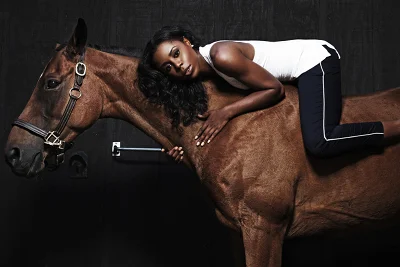
The more recent activity that Nigerians dabble into these days is Polo. An ancient Eastern sport, with roots as far back as the 1st or 5th centuries, this sport has been the choice of sports for the elite in Europe, Asia, and around the world for centuries." Read More
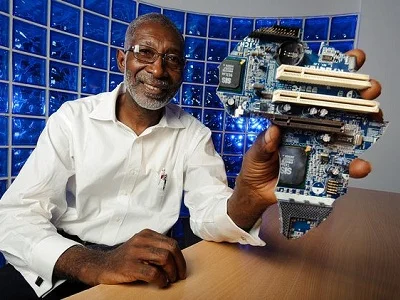
"Africa has long been known to be a cradle of ancient technology, with many technological developments traced to ancient methods and mechanisms, communities then, created to make things better. While times have certainly changed and other parts of the world have become technology hubs and knowledge-based societies, leading the world in technological advancement, Africa continues to produce its own set of pioneers in the fields of science and technology. Technological advancement now moves faster than the speed of light, and while many parts of Africa remain impoverished, the continent has not lost its contribution to the world of innovative Africans with groundbreaking ideas and world-renowned expertise." Read More